Get Full Government Meeting Transcripts, Videos, & Alerts Forever!
Get email alerts on the Student Voice Survey topic
No spam. Unsubscribe anytime.
Middle-school student survey shows desire for more choice, social time and anti-bullying supports
Summary
Wynne and Ryan school principals presented results of a mid- or end-of-year student voice and choice survey showing students want more options in assignments, more social/wellness breaks and stronger anti-bullying measures.
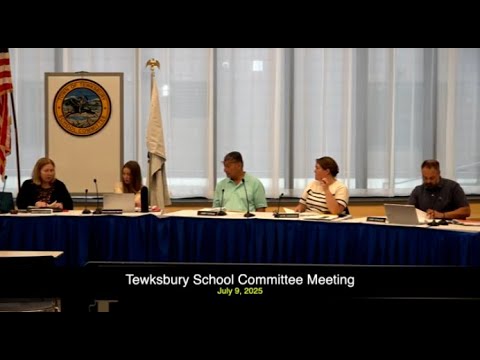
Wynne and Ryan school principals presented results of a student voice and choice survey to the Tewksbury School Committee on July 9, reporting similar responses from both schools that point to students' desire for more choice in learning, more social and wellness breaks, and stronger anti-bullying responses.
Principals John Weir (Wynne) and Josh Murphy (Ryan) summarized results showing a majority of students reported they "sometimes" or "always" feel comfortable sharing ideas in class and that many wanted options for demonstrating learning. For example, one question about preference for options in assignments showed roughly 69% at the Ryan and 75% at the Wynne responding "Yes, definitely" to preferring multiple options.
Open-response themes included: more project-based and collaborative learning opportunities; flexible seating and learning spaces; additional social and wellness breaks; stronger responses to bullying and restorative practices; and clearer teacher feedback. Administrators said the results align with the district's strategic emphasis on student voice and universal design for learning (UDL).
Committee members asked how the district will follow up; principals and the superintendent said the feedback will be used in school improvement planning and that student councils and advisory structures may be used to craft student-facing initiatives. One principal said the data reinforced plans already in development and that next steps will include pilot programs, advisory time, and professional development for differentiation and trauma-sensitive approaches to instruction.
Administrators did not propose a binding policy change; rather, they said they would incorporate the survey findings into school improvement plans to be reported back to the committee.