Get Full Government Meeting Transcripts, Videos, & Alerts Forever!
Get email alerts on the Meeting Process topic
No spam. Unsubscribe anytime.
Charter committee rescinds alternating subcommittee schedule, will hold both subcommittees after regular meetings; ADA and meeting-length concerns remain
Summary
The committee voted to rescind the current alternating subcommittee schedule and to hold both subcommittees consecutively after full meetings (form-of-government first) beginning at 1:30 p.m. A proposed one-hour cap on subcommittee meetings failed; a committee member raised ADA/accessibility concerns about longer single-day meeting demands.
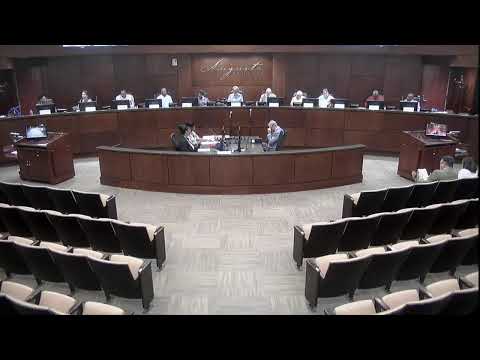
The Charter Review Committee on July 10 rescinded its prior alternating subcommittee schedule and voted to hold both subcommittee meetings consecutively after regular committee meetings beginning at 1:30 p.m., with the form-of-government subcommittee to meet first.
Mister Powell moved the scheduling change; Mister Foushee seconded. The motion carried after debate; three members voted against the schedule change. The committee discussed logistics for consecutive meetings and asked staff to schedule the second subcommittee to start five minutes after the first concludes if a quorum is present.
A substitute motion to limit each subcommittee meeting to one hour failed (the substitute received five yes votes and failed to pass). Committee members who opposed the one-hour limit said the subcommittees need additional time to gather public input and review technical material; supporters of a time cap said shorter meetings would improve accessibility and focus.
Committee member Miss Bacchus raised concerns that moving both subcommittees to the same day would create an undue accessibility burden for members and members of the public who cannot sit for extended periods. She noted the ADA’s emphasis on “providing effective communication considering the nature, length, complexity, and context of communication” and urged reasonable accommodations. Legal counsel said state law permits remote participation in limited circumstances (for members outside the jurisdiction or for documented medical reasons) and agreed to provide follow-up guidance on how the bylaws and state law interact.
The committee also debated, and ultimately rejected, a motion to require a two-thirds committee vote to forward charter-recommendation items to the legislature; that motion failed.