Get Full Government Meeting Transcripts, Videos, & Alerts Forever!
Get email alerts on the Ems Community Paramedicine topic
No spam. Unsubscribe anytime.
Loveland-Sims Fire Department outlines 3-year community paramedicine pilot to reduce nonemergency ambulance runs
Summary
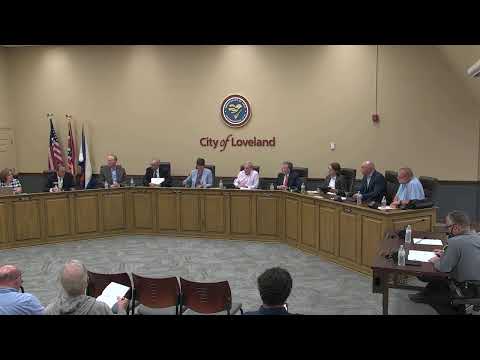
Bruce Hawk, LSFD executive officer, told the Loveland City Council that the department wants to launch a three‑year community paramedicine pilot to reduce strain on ambulance crews and provide direct, nonemergency care to frequent EMS users.
Bruce Hawk, LSFD executive officer, told the Loveland City Council that the department wants to launch a three‑year community paramedicine pilot to reduce strain on ambulance crews and provide direct, nonemergency care to frequent EMS users.
"We have an increasing demand for EMS service in our community, and that creates challenges within our system capacity and our ambulance service," Bruce Hawk said, describing the program as a single dedicated paramedic in a nonambulance response vehicle who would handle medication reviews, minor care and followups to reduce unnecessary transports.
Hawk said department data show rising run volumes and a substantial share of calls classified as noncritical: falls, general illness and nontransports. He reported that falls and noncritical illnesses accounted for 35 percent of calls in 2023 and 39 percent in 2024, nursing facilities accounted for about 21 percent in 2023 and 18 percent in 2024, and non‑transports were roughly 34 percent in 2023 and 31 percent in 2024. The department also reported that 66 percent of patients had a single response in the period reviewed, 14 percent had two responses and 19 percent had three or more.
Council members asked detailed operational questions. "Who decides whether an ambulance or the community paramedic responds?" asked Mister Peng. Hawk and the fire command explained that 911 dispatchers would triage calls using the CAD entry and that the on‑duty battalion chief would make final determinations when needed.
Vice mayor Phelps asked whether paramedics or EMTs would staff the role; the presenters said it would be a paramedic position. The department said it planned to assign a seasoned officer (Captain Hall) to the role if council approves the pilot and that the position would centralize existing community programs, such as senior med and PD med registries, to enable proactive outreach.
On financing, staff said the pilot would be split 50/50 with Sims Township; the Sims trustees already approved the program. The department estimated the program cost at roughly $40,000 per community per year and said it intends to seek one‑time startup funding for staffing, equipment and training, then measure operational savings from fewer transports and improved ambulance availability.
The presenters said some funding could come from allowable expenditures under the state opioid settlement and that the city should expect to see higher EMS billing revenue tied to recent Medicare billing changes. The department asked council to approve funding and resource allocation for a three‑year pilot and said the legislation for formal approval would appear on the next council agenda.
Council did not take a final vote on the pilot at this meeting; staff will return with ordinance/resolution language and budget detail.
The department asked council to consider the pilot as a data‑driven alternative to adding a full ambulance crew, noting that a new ambulance could add roughly a half‑million dollars annually in personnel costs. The city will evaluate the pilot after the 36‑month trial period and may convert it to a different model if data suggest changes are warranted.