Acting superintendent cites improved graduation rates, STEAM ranking and $16.9M projected savings from reorganization
Loading...
Summary
Acting Superintendent Dr. K. Veronica Smith said a state‑approved reorganization to 13 schools and other actions put Mount Vernon on a more sustainable fiscal path, with a projected $16.9 million in savings and a 3.3% tax‑levy increase approved by voters.
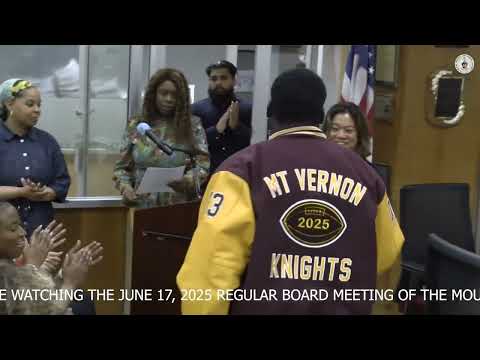
Acting Superintendent Dr. K. Veronica Smith delivered a written statement read aloud at the June 17 meeting outlining district accomplishments and the reorganization plan intended to address budgetary challenges.
Smith said the district achieved its highest graduation rate in decades and that Mount Vernon STEAM Academy ranked in the top 6% of New York public schools. She described growth in career and technical education (CTE) pathways, new partnerships with colleges and businesses, and a state‑approved reorganization into 13 schools that, the statement said, is projected to save $16,900,000.
The statement also noted the board’s adoption of a budget with a 3.3% increase in the tax levy and described the reorganization as a path toward sustainability. The acting superintendent thanked staff and the community and wished the incoming superintendent well.
Public commenters questioned the school‑closure decisions and finances. Thomas Keller urged continued pressure on the city to collect delinquent taxes and criticized PILOT agreements and the pace of closures; Cynthia Crenshaw asked how the district could close schools while approving high administrator salary increases. Trustees said contract and budget documents would be made available as appropriate and that some items require FOIL requests.
Trustees discussed bonds, architects and contract scopes related to closed buildings and said extensions were intended to preserve pricing and allow work on district‑owned properties as needed, not to obligate ongoing services if buildings are taken off the operational inventory.