Get Full Government Meeting Transcripts, Videos, & Alerts Forever!
Get email alerts on the Community Needs Assessment topic
No spam. Unsubscribe anytime.
Council on Aging to launch community needs assessment; staff raise governance, staffing and funding questions
Summary
The Nantucket Council on Aging heard that a community needs assessment will begin this summer to map existing services and gaps. Staff described public‑health projects, a new deputy director appointment and early discussions about possible bylaw changes to expand the council’s authority and budget.
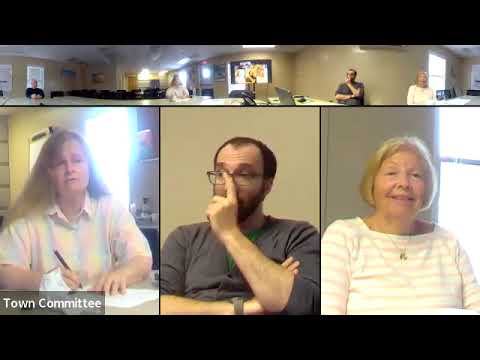
The Council on Aging met to review a new community needs assessment that staff say will combine focus groups, primary data collection and surveys to identify service gaps and support funding requests. The kickoff for stakeholder meetings is expected in late summer or early fall, and outreach will include the Nantucket Council on Aging, the Nantucket County Center for Elder Affairs and elder‑services providers.
Jericho Milley, who identified themself during the meeting as the newly named deputy director for health and human services, said contractors are still being selected for the assessment and that the survey work will inform requests for town and external grant funding. “We are initiating a community needs assessment, which is gonna be a combination of focus groups and primary data collection and then some surveys going out,” Milley said at the meeting.
Milley also described ongoing public‑health work tied to the assessment, including a planned longitudinal study of people with tick‑borne illnesses that will recruit local residents for multi‑year follow‑up. Staff said the study is intended to collect primary health data to help plan services and identify local needs.
Members discussed whether the council’s current legal structure and bylaws limit its ability to expand services. Multiple speakers suggested reviewing other municipalities’ council on aging structures and considering bylaw or charter amendments if needed. The meeting record shows staff and members agreed it would be useful to consult Betsy Connell, identified in the meeting as executive director of the Massachusetts Councils on Aging, for guidance on governance models and budgeting.
No formal decision was made on bylaws or charter language; members agreed to pursue fact‑finding, start preliminary conversations, and bring any proposed structural changes back for later meetings. One council member asked that the community assessment proceed while staff also begin examining the mechanics of bylaw changes so the council can act ahead of potential time‑sensitive town meeting deadlines.
The community needs assessment and the governance review were presented as complementary steps: collect data about service needs first, then use those findings to inform whether and how to pursue changes to the council’s authority or funding mechanism. The council did not set a timeline for a bylaw or charter change process at the meeting.
The meeting ended with routine business and adjournment.