Get Full Government Meeting Transcripts, Videos, & Alerts Forever!
Get email alerts on the Budget topic
No spam. Unsubscribe anytime.
South Gate budget shows $8 million structural gap; council weighs cuts and new revenue options
Summary
City Manager Rob Houston and Finance Director Luis Frosto presented a FY 2025–26 proposed budget that relies on one‑time reserves for the coming year and shows a structural general‑fund shortfall that staff estimate could reach about $8 million next year without new revenues or deeper cuts.
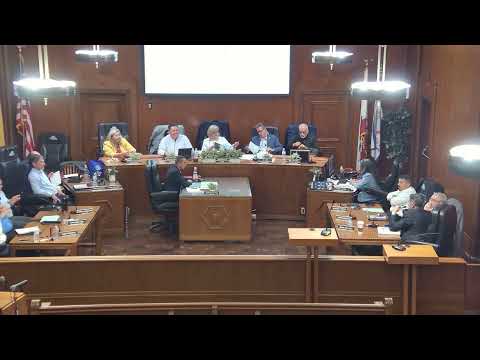
City Manager Rob Houston and Administrative Services Director Luis Frosto told the City of South Gate City Council on June 10 that the proposed fiscal year 2025–26 budget is balanced for the coming year only through the use of one‑time reserves and transfers. The presentation warned that, without new revenues or sustained cuts, the city faces recurring general‑fund shortfalls that could total roughly $8 million next year and grow in subsequent years.
The administration’s overview said staff refined line‑by‑line spending and found ongoing expenditures — driven largely by employee compensation, benefits and rising insurance and pension costs — are now outpacing ongoing revenues. Frosto said the city has used ARPA and other one‑time funding in recent years and is running short of those sources: “Most of the one‑time resources that were tapped into in the past years are no longer available to us,” he said.
City staff proposed a mix of near‑term and longer‑term actions. For FY 2025–26 staff recommended using about $3.4 million from a budget‑stabilization reserve plus transfers from capital and other restricted funds to balance the coming year while also requiring departments to identify roughly $1 million in cuts now. The presentation included a second set of deeper reductions (a staff estimate of approximately $4.5 million) targeted for FY 2026–27 if new revenues are not secured.
The budget slides show personnel costs — salaries, benefits, and retirement contributions — as the primary driver of the forecasted deficit. Frosto told the council that California pension liabilities and health‑insurance increases have accelerated rapidly and are major contributors. On the revenue side, staff noted the city’s property‑tax and sales‑tax shares are comparatively low regionally and pointed to local revenue options such as a utility users tax as possible revenue sources to help close the gap.
Directors across public safety, public works, parks and recreation, community development and administrative services briefed the council on proposed service and staffing reductions tied to the deficit. Examples presented by staff included freezing or defunding vacant positions, cutting some special events and youth program seasons, reducing park maintenance frequency, delaying building and facility repairs, and temporarily reducing code‑enforcement capacity. The police department presentation warned that further officer cuts or elimination of crossing‑guard programs would have immediate public‑safety consequences.
Council members thanked staff for the level of detail and scheduled additional public discussion. Staff proposed a public budget workshop for June 17 and said a final budget would return to the council later in the month for adoption. The council did not adopt the budget that evening; the presentation served as the first formal proposal and the basis for follow‑up deliberations.