Get Full Government Meeting Transcripts, Videos, & Alerts Forever!
Get email alerts on the Code Enforcement topic
No spam. Unsubscribe anytime.
Assembly weighs tighter code to remove abandoned vehicles; legal review requested
Summary
Assemblymember Ryan Johnson proposed code changes (KIBC 10.10.010) to increase borough authority over abandoned vehicles and other ‘junk.’ The Assembly supported the intent but asked legal staff to refine definitions and enforcement language, especially the use of 'shall' vs 'may' and responsibilities for removal from private property.
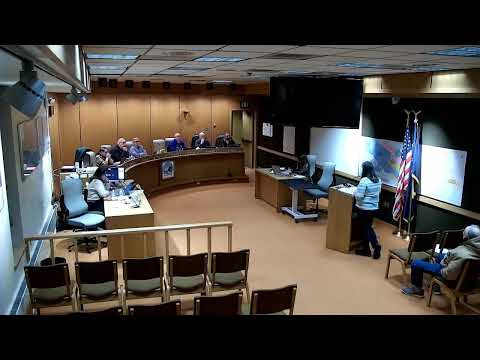
Assemblymember Ryan Johnson introduced a draft ordinance at the Jan. 30 work session aimed at strengthening Kodiak Island Borough code (KIBC 10.10.010) to improve accountability for abandoned vehicles and related 'junk.' The proposed amendments are intended to give borough authorities clearer authority to remove or order removal of nonoperable vehicles from public rights-of-way and other borough-controlled locations.
Johnson told the Assembly the draft is "a tailored effort to create accountability where accountability is not currently instilled within our code," and he linked the proposal to public testimony about environmental harms and derelict vehicles. Several residents had spoken earlier in the meeting supporting stronger enforcement.
Discussion focused on definitional clarity and enforcement mechanics. Manager Amy and others noted the draft currently uses both "may" and "shall" in places; Assemblymember Amy said she was concerned that a blanket "shall" requirement to remove junk from private property could force the borough to perform costly removals on private property at the owner's request. Assemblymembers asked for clearer definitions of "junk" and whether heavy equipment, trailers or derelict vehicles on private property would be included.
Several members urged formal legal review. Assemblymember Dave recommended forwarding the intent language to the borough attorney to produce enforceable code that meets the Assembly’s objective without unintended consequences. Deputy presiding and staff indicated the next step is to have Community Development staff and the borough’s law firm (Coburn Erickson was mentioned) draft code language consistent with the Assembly’s intent.
No ordinance was adopted at the work session. The Assembly signaled support in principle and requested a redraft from legal counsel that tightens definitions, clarifies enforcement authority (code-enforcement versus peace-officer terminology) and addresses funding or fee mechanisms for removal.