Get Full Government Meeting Transcripts, Videos, & Alerts Forever!
Get email alerts on the Winter Storm Response topic
No spam. Unsubscribe anytime.
After-action: Amarillo streets department says forecasts and communications lagged in January storms; $400K+ preliminary cost
Summary
Public Works officials told the council that January’s two snow events exceeded forecasts, driving 24-hour street operations, use of roughly 900 tons of salt-and-sand mix and an estimated municipal response cost of about $400,000.
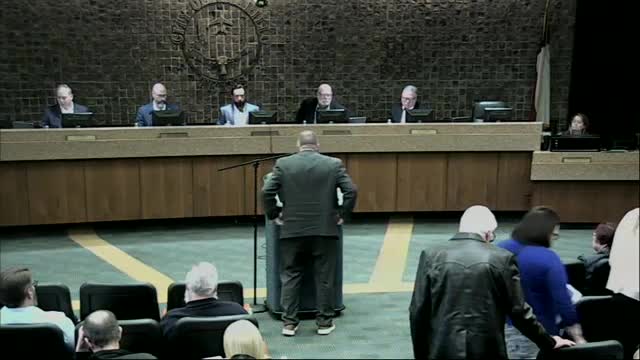
In a detailed after-action presentation on the city’s January storms, Streets Superintendent Donnie Hooper told the Amarillo City Council that the snowfall exceeded forecasts and revealed gaps in public advisories and interdepartmental communications. “Forecast underestimated the snowfall amount, impacting our preparation,” Hooper said as he summarized operations and lessons learned.
Hooper said crews switched to 24-hour operations as the storm intensified, with up to 26 personnel on duty spreading salt and sand, plowing drifts and working on critical building access. The division applied about 900 tons of salt and sand and reported roughly $35,000 in overtime for the street division. Hooper said the city’s best initial estimate of direct costs from the response — accounting for equipment, personnel and materials — is about $400,000.
The department described specific operational details: increasing shift coverage beginning Jan. 8–9, establishing drift-plowing and sanding priorities for arterial and downtown overpasses, keeping municipal facilities accessible, and suspending solid-waste pickup temporarily where alleys were impassable. Fleet services operated 24/7 to keep equipment running and helped reopen the landfill by applying wood chips to improve access.
City staff also identified gaps. Hooper said timely public advisories were not issued early enough and that internal situational reporting needed better structure to keep the mayor’s office and Office of Emergency Management (OEM) informed. He flagged equipment limitations — particularly underperforming sidewalk snowblowers and a shortage of 4x4 transport options — and proposed contingency planning to rent or share equipment when needed.
The council requested follow-up: improved public-facing severe-weather information (a front-page ribbon on the city website, pre-approved boilerplate messages, regular situational reports at 5 a.m., 10 a.m., 2 p.m. and 6 p.m. during events), a detailed inventory and contingency plan for rentals, and an updated snow-removal plan that includes high-drift residential routes. Hooper said staff had already implemented some changes for a subsequent storm and would return with cost estimates and revised protocols.
The council did not take an action vote; staff will return with a revised snow plan and improved communications procedures.