Votes at a glance: Packaging, emergency preparedness, rezoning and consent items approved
Loading...
Summary
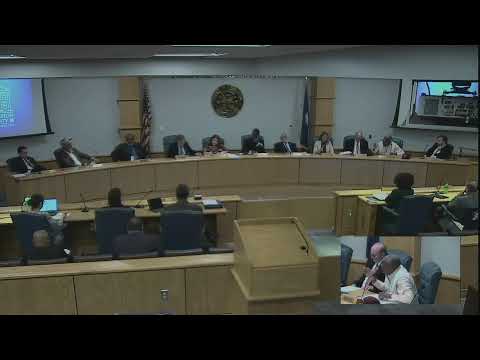
Charleston County Council passed multiple items Oct. 28 on third reading and by consent, including an ordinance regulating single-use packaging, emergency preparedness code changes, a rezoning at 4301 River Road, and multiple consent-agenda items. Roll-call and voice votes were recorded on the floor.
CHARLESTON, S.C. — At its Oct. 28 meeting, Charleston County Council adopted several ordinances on third reading and approved consent-agenda measures.
Key outcomes recorded in the meeting minutes and on the floor:
- Environmentally acceptable packaging and products ordinance amendment (third reading): Passed (recorded outcome: 7 ayes, 2 nays). The ordinance regulates single-use plastic carryout bags, plastic straws and polystyrene foam products and promotes reusable and recyclable paper carryout bags.
- Emergency preparedness ordinance amendments (Chapter 7): Passed unanimously on third reading (9 ayes).
- Rezoning at 4301 River Road (parcel 2590000123) from AGR to AG8: Passed on third reading (9 ayes).
- Amendments to multi-county/Joint County industrial park agreements with Colleton County to include additional Charleston County properties: Committee recommendations approved and advanced.
- Rezoning at 3272 Ladson Road (parcel 3900000438) from Industrial (IN) to Community Commercial (CC): Approved on consent.
- Consent agenda: Multiple items approved by voice vote; no individual consent items were singled out for rejection in the public record.
Why it matters: These measures affect waste and packaging rules, county emergency-preparedness procedures, land-use and industrial park development, and routine zoning housekeeping. Several passed on third reading, making them effective in subsequent administrative steps unless further legal or administrative action occurs.
Roll-call highlights: The clerk recorded roll-call votes for third-reading items and other measures as noted above. Where the roll-call listed individual votes, the clerk’s tally was recorded in the public minutes.