Get Full Government Meeting Transcripts, Videos, & Alerts Forever!
Get email alerts on the Streets And Drainage Audit topic
No spam. Unsubscribe anytime.
City auditor flags major gaps in Denton's streets and drainage maintenance; 25 recommendations proposed
Summary
An independent audit found incomplete asset inventories, inconsistent inspections and planning, variable funding tied to franchise fees and bond-sale accounting, and thousands of uninspected drainage assets. City staff agreed with the findings and committed to follow-up work and policy changes.
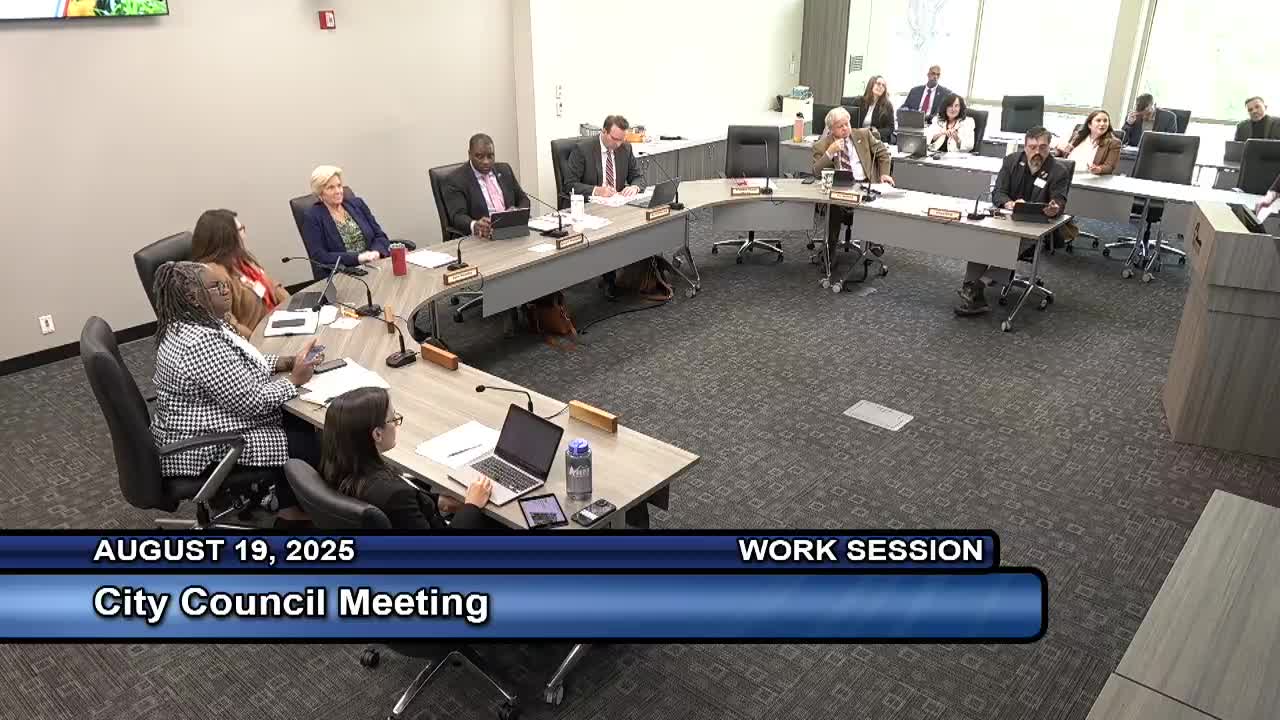
The Denton city auditor's office presented a wide-ranging audit of public works maintenance for streets and drainage on Aug. 19, concluding that the city lacks consistent asset inventories, timely inspections and standard work-order documentation and that funding structures weaken long-term planning.
Auditor Madison Rorschau told the council the audit found about 25% of street asset install/replacement dates missing, almost 8% of street segments missing pavement type, and inconsistent documentation of field verification forms. For drainage, auditors found only 17% of sampled assets had any recorded inspection since the asset-management system was deployed in 2019 and said pipe inspections that began in February 2024 show about 61% of inspected pipe footage rated at a high risk of failure.
The audit judged street and drainage planning incomplete: staff lacked baseline project cost estimates for common maintenance tasks, did not formally prioritize small repairs, and carried little standardized guidance about work-order content. The report also identified a mismatch between how the city funds maintenance and fairness best practices: the Streets Division relies heavily on franchise-fee transfers and a budget practice that routes debt-issuance savings from utility debt sales to street maintenance. The auditor said that practice shifts risk and benefit across utility customers, debt issuers and general taxpayers.
Auditors recommended 25 actions, including improving asset data and condition monitoring, establishing annual work plans tied to service level goals, creating baseline project-cost estimation tools, formalizing work-order standards, and moving toward a more predictable funding structure for maintenance (for example, a property- or sales-tax allocation for street maintenance, a separate drainage fund, or a dedicated roadway-maintenance fee). The report also urged setting a drainage fee update every 3'25 years and reviewing roughly 7,600 accounts that were not being billed for drainage service; auditors flagged about 2,200 of those as at high risk of being underbilled.
Deputy City Manager Cassie Ogden said she requested the audit after noticing operational problems and that the city has already moved staff and reorganized functions to address gaps. Streets and utility managers told the council they will develop standardized work-order procedures, create baseline cost models, expand inspection schedules, and collaborate on a utilities financial-strategy policy to clarify fund targets and how to pay for preventative maintenance.
Councilors urged quick action. Several members noted the long-term cost of deferring maintenance: if preventative work is skipped, pavements and drainage assets will move more quickly to rehabilitative or reconstructive phases that require far larger investments. The auditor said an initial follow-up review will be scheduled for fiscal 2027 unless council requests an earlier check-in.
Why this matters: The audit points to operational weaknesses that directly affect road and stormwater reliability and public safety, and it identifies a structural funding problem that can systematically shift costs to different groups of ratepayers or taxpayers depending on whether the city issues debt or uses franchise-fee transfers. City staff agreed to the recommendations and committed to concrete follow-up steps.
Speakers quoted: "This audit is not pretty," Auditor Madison Rorschau told the council; "we are committed to improving our operations and making sure that we are using taxpayers' dollars efficiently and effectively," Deputy City Manager Cassie Ogden said.
Ending note: The council directed staff to return with implementation plans. Auditors recommended a formal policy to tie service-level goals to budgeted work and to create transparent options for long-term maintenance funding.