Get Full Government Meeting Transcripts, Videos, & Alerts Forever!
Get email alerts on the Solid Waste topic
No spam. Unsubscribe anytime.
Solid Waste staff outline routes, fleet limits, downtown service and plans for organics access
Summary
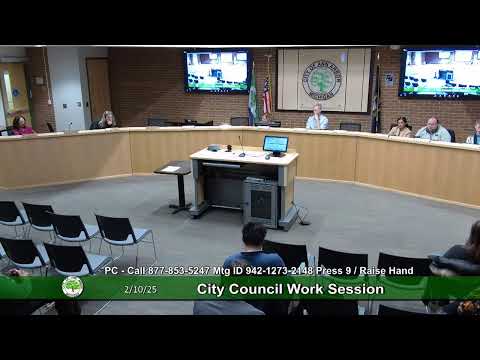
Lisonbee Heatley, Ann Arbor’s Solid Waste manager, and resource recovery manager Sarah Mason presented an overview of collection operations, contracts and near‑term priorities, telling council that the unit runs roughly 95 unique collection routes each week with about 15 city trucks.
Lisonbee Heatley, Ann Arbor’s Solid Waste manager, and resource recovery manager Sarah Mason presented an overview of collection operations, contracts and near‑term priorities, telling council that the unit runs roughly 95 unique collection routes each week with about 15 city trucks and that different truck types (automated sidearm, front loaders, rear loaders) are not fully interchangeable.
Heatley said the division is funded primarily through the solid‑waste millage, with some Climate Action millage contributions. Staff described challenges including staffing and CDL recruitment, seasonal peaks (leaf season), long truck hours, and constraints when trucks are out of service. The unit plans to add a new front‑load truck and a spare automated truck this year and to use rental trucks when needed.
Downtown service, multifamily and organics
Staff described downtown as space‑constrained but said they increased trash collection to seven days a week and recycling to six days to reduce overflow. Mason said commercial cardboard volumes and multi‑family organics remain program areas under review; staff are developing a multifamily food‑scrap drop‑off network funded partially by the climate millage and are exploring compactor and consolidation options for high‑cardboard sites.
Infrastructure, bike lanes and site planning
Heatley and Stewart described recurring conflicts between collection equipment and new bike‑lane treatments or curb buffers. Staff said they now coordinate with engineering to include solid‑waste function in street designs and produce location‑specific guidance for cart placement. For new higher‑density developments, staff said consolidated service points and dumpster enclosures are often safer and more efficient than attempting individual curb cart service, and that site plans are reviewed for truck turning movements, clearances and backup distances.
Planned projects and next steps
Solid Waste staff said they will propose updates to collection hours in the ordinance, a comprehensive update to solid‑waste regulations, a route‑optimization contract to rebalance routes for current and projected demand, fleet replacement requests, and an expanded multifamily organics drop‑off network. Councilmembers praised curbside organics and asked staff to expand education and youth outreach; staff said they contract with the Ecology Center for education and perform regular contamination audits with Recycling and Arbor.