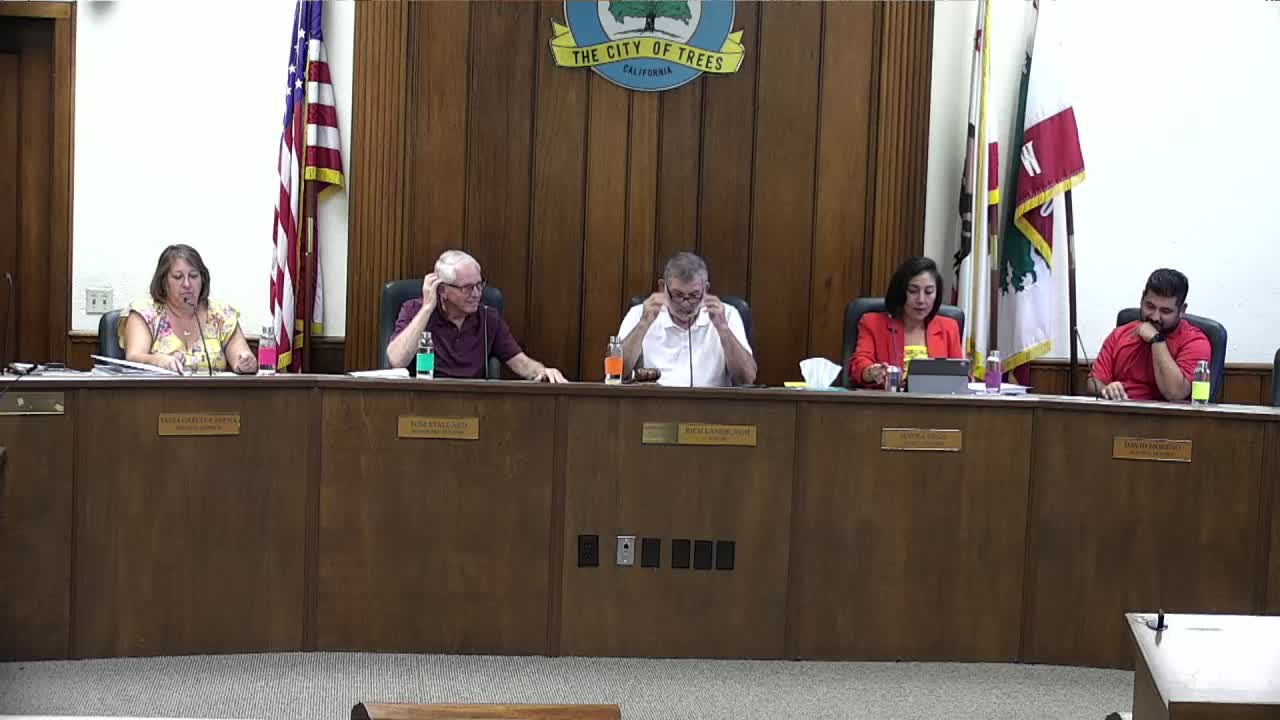
Woodland council approves minor zoning changes, updates code for ADUs and SB 9/SB 450 compliance
Loading...
Summary
The Woodland City Council voted unanimously Sept. 16 to adopt a package of minor zoning and subdivision code amendments designed to clarify standards, streamline small downtown businesses, and bring the city's accessory dwelling unit and two‑unit project rules into alignment with recent state laws.
The Woodland City Council voted unanimously Sept. 16 to adopt a package of minor amendments to the city's zoning and subdivision codes intended to improve clarity, streamline certain small‑scale commercial uses in the downtown, and align local rules with state law governing accessory dwelling units and urban lot splits.
City Assistant Planner Anna Canales said the amendments are not major policy shifts but are intended to "improve clarity, ensure consistency, and maintain legal compliance with state law." Planning staff told the council the package grew from issues identified after the comprehensive zoning update adopted June 4, 2024, and that the Planning Commission unanimously recommended approval following a public hearing on Aug. 21.
The ordinance package includes several discrete changes: new standards to discourage flag lots in residential zones (with director‑level exceptions and state‑law carveouts such as SB 9 urban lot splits); editorial clarifications to definitions and tree‑protection standards; modest changes to accessory dwelling unit (ADU) rules to remove inconsistencies with state ADU laws; and a reduced level of review for low‑impact general personal services and small professional/technology offices in the downtown DX‑3 zone so businesses such as neighborhood hair salons and small offices can open without an expensive administrative permit when development standards are met.
Assistant Planner Hadley Ward told the council the ADU changes are aimed at compliance and implementation: "By allowing them to tie into existing utilities, it can reduce costs pretty significantly," she said, noting separate meters can be prohibitively expensive and can discourage ADU production. On the downtown changes, staff said the goal is to reflect longstanding mixed‑use patterns in portions of the DX‑3 area and to allow small businesses to occupy storefronts without an administrative permit that can cost several thousand dollars.
Council members raised questions about potential residential conversions in areas rezoned to allow by‑right personal‑service uses and about how mixed use would be implemented. Staff responded that mixed‑use was allowed by right and that higher‑impact uses would still require discretionary review and notice to neighbors within 300 feet. The staff presentation also reviewed proposed changes tied to Senate Bill 450, which modifies how local agencies may apply objective standards to two‑unit and urban‑lot‑split projects, and proposed a 60‑day completeness review timeline as required by the state.
The council closed the public hearings and approved the requested changes to Title 17 and related Title 16 subdivision language by voice vote, 5–0. Staff said full ordinance text and the staff report provide implementation details and that no immediate changes to existing active permits were planned.
City staff will incorporate the amendments into the code and return any minor implementation details to the Planning Commission or council as needed.