Get Full Government Meeting Transcripts, Videos, & Alerts Forever!
Get email alerts on the Employee Benefits topic
No spam. Unsubscribe anytime.
Rutherford County Schools weigh covering insurance rate hike, finance staff warns against using fund balance
Summary
At a Sept. 9 work session the board discussed absorbing a state-driven insurance increase; staff outlined options including a proposed 50% board contribution that would cost about $2 million and cautioned against using fund balance for a recurring expense.
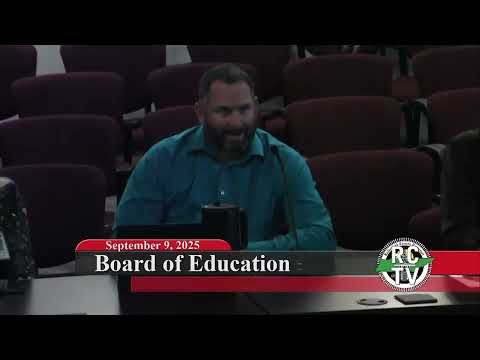
Rutherford County School Board members discussed options to respond to a state-driven increase in employee health insurance rates at their Sept. 9 work session.
Director of Schools Dr. Sullivan presented coverage scenarios including a 25% district contribution and a proposed 50% split of the increase. Board staff estimated the 50% option would cost roughly $2,000,000 for the current implementation period and would fund approximately six months of the increase plus budget the next calendar year’s January–December insurance cycle.
Brian, the district finance staff, told trustees the district did not budget for the additional amount and cautioned against using fund balance for a recurring expense. “I would strongly negate against pulling it out of fund balance,” he said, explaining auditors and county officials generally advise against using reserves for recurring obligations. He added that using fund balance now would reduce the recommended reserve level the county finance director prefers to keep at roughly three months of payroll.
Board members pressed staff on timing of potential offsetting revenues. Dr. Sullivan and staff noted outcome and growth funding are not yet final; outcome funding typically begins arriving after the state report card is released in December, and performance-based payments have come in late in previous years. Staff said growth/outcome payments and a performance bonus could reduce net cost but their timing is uncertain and, in at least one past year, came after the fiscal year closed.
Board members asked for alternative proposals to find the money without eroding fund balance, including delaying purchases or cutting recurring planned expenditures. One trustee urged staff to return budget options for covering the increase without relying on reserves.
No formal vote on how to cover the insurance increase was recorded in the work session transcript.
The discussion included these clarifications from staff: the state reported an aggregate increase of roughly 5–5.5%, but the dollar impact varies by plan; the district intends to continue covering 50% of the increase across plans under the proposed option; and the cost estimates presented were based on current plan selections and may change if employees change plans before implementation.