Get Full Government Meeting Transcripts, Videos, & Alerts Forever!
Get email alerts on the Telehealth Programs topic
No spam. Unsubscribe anytime.
Council directs staff to advance MD Health Pathways telehealth opt-out program with requested contract safeguards
Summary
After extended Q&A, council gave unanimous direction to place an MD Health Pathways utility-bill opt-out telehealth agreement on the Aug. 19 agenda, asking staff to negotiate escalation language to protect city costs and to require frequent reporting during the launch.
City staff and legal counsel briefed the Garland City Council on a proposed contract with MD Health Pathways, a telehealth provider that would operate via an opt-out monthly line item on utility bills. Staff described the program as a municipal partnership used in several Texas cities and said the service aims to reduce unnecessary emergency-room visits and expand access for uninsured or underinsured residents.
Staff said Garland's uninsured rate was 25.8 percent based on 2023 census data and that MD Pathways has worked with cities such as Henderson, Ferris and Crandall. The proposed agreement would run an initial seven-year term with an opt-out structure on utility bills; the fee would begin at $6 per month for years one and two, escalate to $7 in years 324, $8 in years 56 and $9 in year 7. Staff said the city would remit only funds actually collected and that MD Pathways offered to provide city employees and eligible retirees with the service at no charge.
Staff and MD Pathways negotiated a first-year implementation package that reduced an earlier ask and identified a year-one net city cost of about $163,000. Staff explained components: a $50,000 program escrow; a $25,000 annual donation from MD Pathways for low-income billing-assistance programs; an $80,000 technology and professional-services allowance (staff cited a $70,000 quote from AUS to add the line item in the city's billing system); and $8,000 for bill inserts and outreach in year one. MD Pathways also agreed to fund temporary call-center staff and a community liaison during launch.
Councilmembers pressed staff on opt-out mechanics, refunds (staff said no refund after the three-month opt-out window), how unpaid utility accounts affect collected fees (the city remits only collected amounts), outreach to non-English speakers and reporting frequency. Several councilmembers asked that contract language include an escalation to protect the city from rising implementation costs and that staff provide close, frequent reporting during the six-month post-launch pilot.
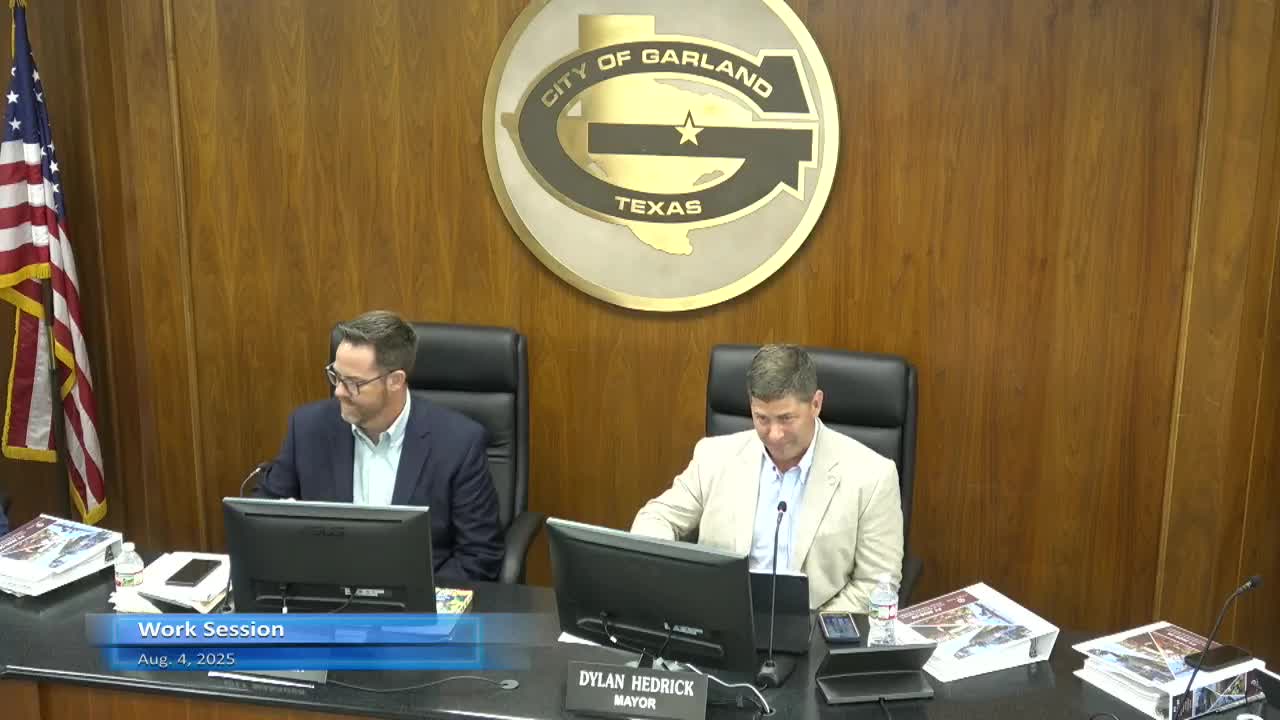
After discussion, Mayor called for guidance and council voiced unanimous support to move forward; staff said they would present the recommended contract with the requested escalation language and reporting requirements at the Aug. 19 regular meeting.