Get Full Government Meeting Transcripts, Videos, & Alerts Forever!
Get email alerts on the Affordable Housing topic
No spam. Unsubscribe anytime.
Garland Housing Finance Corporation reports $32M bond, expands down-payment and repair programs
Summary
The Garland Housing Finance Corporation told the City Council it issued more than $32 million in tax-exempt bonds in 2024 to fund down-payment assistance and reported continued investment in multifamily and home-repair programs while warning House Bill 21 could sharply reduce future affordable units and revenues.
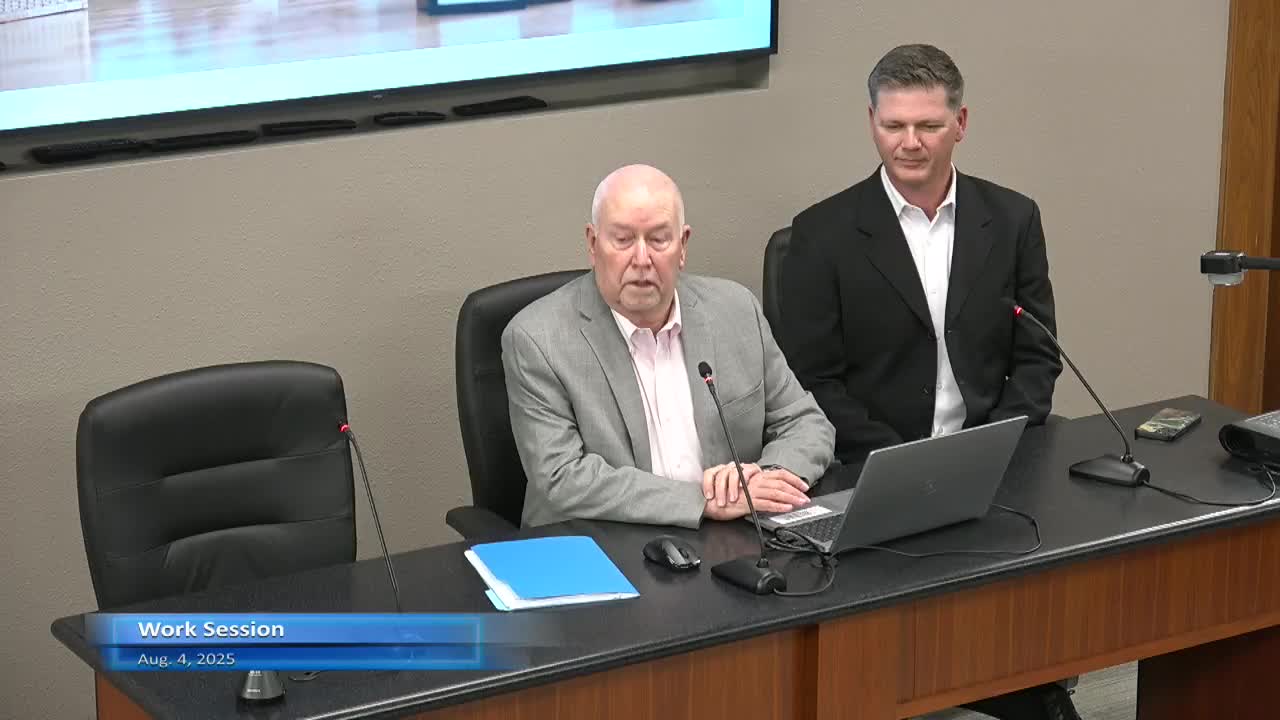
David Gibbons, executive director of the Garland Housing Finance Corporation, told the City Council on Aug. 4 that GHFC issued "just over $32,000,000 in tax exempt bonds" in 2024 to support its Down Payment Assistance program and that the organization funded 80 loans and accompanying grants over the year.
Gibbons said the program combines a $10,000 deferred, no-interest loan and a $5,000 grant, which homebuyers may use for closing costs, additional down payment or rate buy-downs. He added each borrower also participates in the mortgage-credit-certificate program, which the Internal Revenue Service administers and which can provide up to a $2,000 direct tax credit each year for qualified homeowners.
The organization reported that during 2024 it helped fund about $21 million in mortgages for first-time buyers, with an average mortgage of roughly $266,000. Since the program began in 2008, Gibbons said GHFC had funded about 321 loans and supported more than $71 million in new mortgages.
Gibbons also reviewed GHFC's multifamily portfolio and pipeline. He said about 1,780 existing units and about 1,349 units under construction made for roughly 3,129 anticipated affordable or workforce units before state legislation altered the operating environment. "We believe that by 2027 ... this number will go from about 3,000 units down to about 1,300 units," he said, referring to House Bill 21 and its requirements for out-of-jurisdiction HFC developments.
Gibbons described multiple ongoing infill and senior projects in Garland and presented examples of recent single-family infill that he said increased property tax receipts and provided move-in affordability for qualifying buyers. He said GHFC's home-repair grants totaled $1,000,790 in 2024 and that the organization had committed another $540,000 for 2025 to continue repairs for homes at 80% or lower area median income (AMI). He reported the average household income for grant recipients was about $30,268.
GHFC also funds scholarships and rental assistance partnerships. Gibbons said GHFC contributed $75,000 to Garland ISD scholarships for trades, commits $200,000 annually to the Salvation Army's rental-assistance program (which helped 35 Garland families in 2024), and provided $22,000 in direct rental assistance to residents of GHFC properties. In total, he said, 166 Garland families received benefits from GHFC-funded programs in 2024.
On the policy side, Gibbons told the council the board had paused new land purchases and major capital expenditures while it monitors the effects of state law on HFC revenues. He asked for continued cooperation with the city on projects that already have funds earmarked, and said the board would prioritize the down-payment assistance and home-repair programs if revenues decline.
Council members asked detailed questions about district participation rates, program defaults and the cost of redevelopment; Gibbons said the DPA program has had very few foreclosures and that GHFC remains committed to first-time buyers and senior affordable rentals.
Council and staff acknowledged GHFC's presentation and thanked the organization for its annual briefing and partnerships with Community Development.