Get Full Government Meeting Transcripts, Videos, & Alerts Forever!
Get email alerts on the High School Schedule topic
No spam. Unsubscribe anytime.
High-school scheduling task force recommends rotating “drop‑2” bell schedule with extended lunch-and-learn block for 2026–27
Summary
The district’s scheduling committee recommended a rotating “drop‑2” bell schedule for high schools that lengthens classes to roughly 53–56 minutes and creates a 60-minute lunch‑and‑learn block, with the aim of increasing student engagement and elective access.
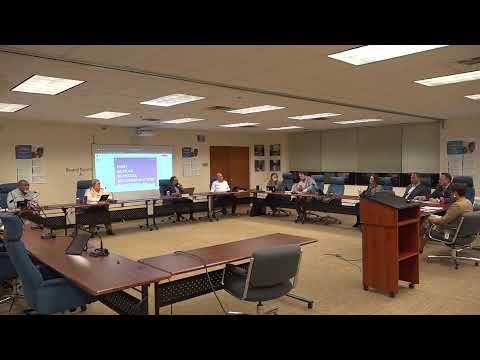
District administrators recommended a new high-school bell schedule on Feb. 18 they characterized as a rotating “drop‑2” structure intended for the 2026–27 school year. The plan increases typical class lengths from the current 42 minutes to about 53–56 minutes, adds an extended 60-minute lunch-and-learn block (half dedicated to lunch and half to student support or club activity) and provides daily teacher planning and professional-learning time.
Presenters said the schedule aims to increase student agency and engagement, allow students to take more electives without relying on asynchronous or cyber courses, and provide more predictable planning time for teachers. The rotating drop‑2 format staggers which classes are omitted each day so that students who routinely miss late periods for athletics or other commitments do not always lose the same course. Administrators also suggested the schedule would support more flexible supports for students who need extended testing time or targeted interventions.
Board members and staff raised implementation questions including how to account for attendance during the lunch-and-learn block, how cafeterias and building spaces will be used when large numbers of students are scheduled for the same hour, how to support students with executive-functioning needs during the transition and how to protect the lunch-and-learn period from being overrun with meetings (e.g., IEPs). Administration said next steps include targeted site visits to other districts with similar schedules, additional stakeholder engagement, professional development for staff and a phased implementation plan that will test logistics before full rollout in 2026–27.