Get Full Government Meeting Transcripts, Videos, & Alerts Forever!
Get email alerts on the Abortion Parental Consent topic
No spam. Unsubscribe anytime.
Medical groups, Planned Parenthood urge repeal of parental‑consent/judicial‑bypass for minors
Summary
Planned Parenthood and medical witnesses told the committee S.1579 would remove parental‑consent and judicial‑bypass requirements for minors and prevent delays and involuntary exposure of vulnerable youth to court processes; opponents argued parental involvement protects minors and raised concerns about family and faith values.
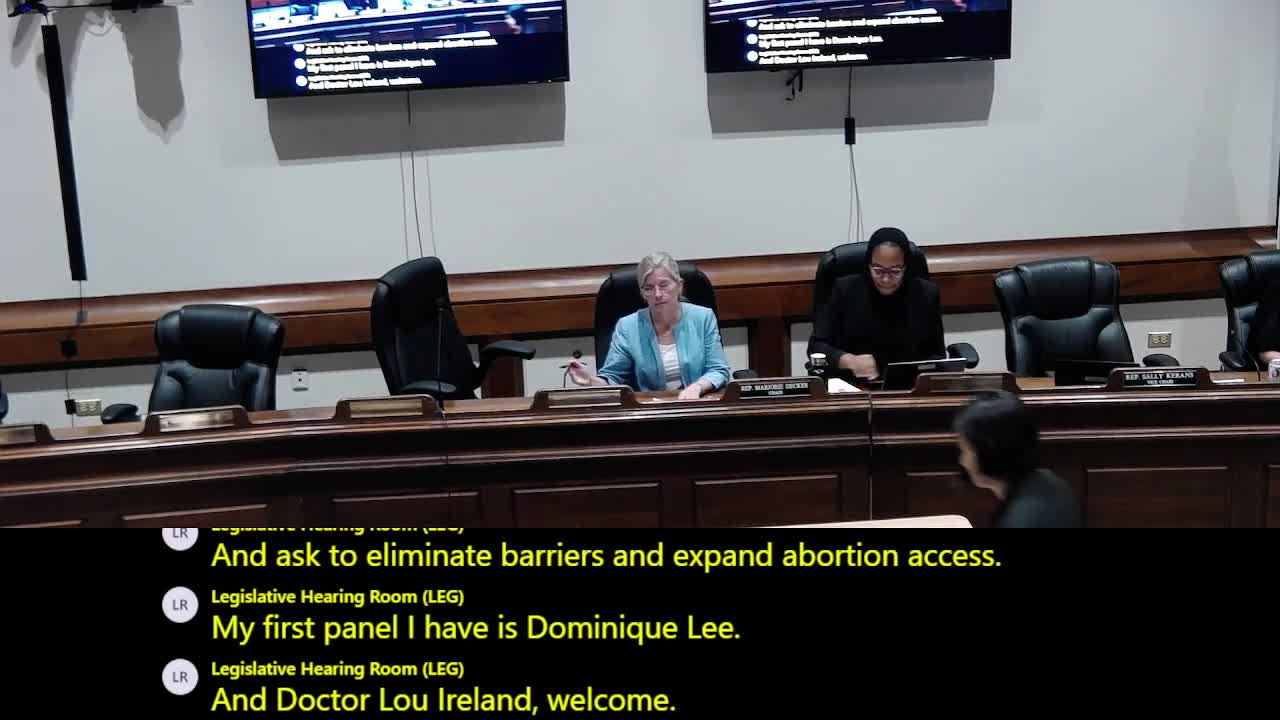
Planned Parenthood League of Massachusetts, physicians and student advocates urged the Joint Committee on Public Health to support S.1579, which would remove the parental‑consent requirement and the judicial‑bypass process for minors seeking abortion care.
"Judicial bypass is an invasive process with no medical benefit," said Dominique Lee, president and CEO of Planned Parenthood League of Massachusetts, who described the burden and delays experienced by youth who must navigate courts and legal representation.
Medical witnesses said the legal distinction is inconsistent: minors can consent to prenatal care, contraception and STI treatment but still must navigate court to obtain abortion care. Dr. Lael Greenstein, a family physician who provides adolescent care, described a 14‑year‑old patient who obtained a bypass but faced a week’s delay and increased emotional burden.
Supporters argued that the change protects youth who could be in unsafe homes and that existing clinical safeguards — informed consent and mandatory counseling where required — remain in place. Opponents, including faith leaders and community members, argued the judicial bypass and parental consent protect minors and families and expressed broader objections to easing access.
The committee collected testimony from both sides and invited written follow‑up; no vote was held.