Kenosha panel approves 2026–2030 stormwater CIP, flags multimillion-dollar flood-control needs
Loading...
Summary
The Kenosha Stormwater Utility Commission reviewed and recommended the 2026–2030 capital improvement plan, noting aging multi-plate sewers, major Tremper-area flood-control projects in 2028–2030 that could cost tens of millions, and continued grant-seeking with Senator Baldwin’s office. Commissioners approved referring the CIP to Finance.
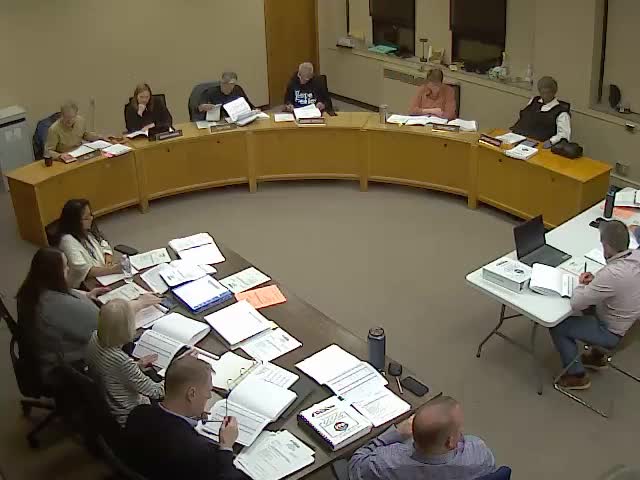
The Kenosha Stormwater Utility Commission recommended the Stormwater Utility’s 2026–2030 capital improvement plan (CIP) after a staff presentation that highlighted deteriorating infrastructure and growing project costs.
Staff told the commission that several prior projects undertaken over the last four to five years had reduced some flood risk but would not eliminate all vulnerability. They said inspections of an existing multi-plate storm sewer — the outlet continuing under 52nd Street toward the lake and the Harbor — revealed accelerated deterioration in two sections and that the next CIP phase would likely fund a lining project for that section.
The nut of the presentation was the size and timing of future flood-control projects. Staff and commissioners pointed to upcoming Tremper-area flood-control work and other projects in Allendale, Gangler and Town & Country, with modeling and inspections identifying additional locations for major work in 2028–2030. Commissioners were repeatedly told that projects in the later years of the CIP could reach into the mid- to high‑millions of dollars, and that funding those projects was the primary rationale for the CIP’s planning horizon and the rate discussion later in the meeting.
Commissioners asked staff about funding pathways. Staff said the utility had pursued federal funding through a congressional spending request routed through Senator Tammy Baldwin’s office; that earlier request was not funded but staff and the mayor reported ongoing outreach and an intent to seek repurposing of other grant opportunities. Staff also described coordination when road reconstruction occurs, to ensure stormwater outlets are correctly handled during adjacent public‑works projects.
The commission discussed the Bonnie Haynes improvement, noting that a design begun in 2020 included work tied to the 30th Avenue reconstruction and that the 2027 CIP entry is intended to complete the remainder of that design. Staff emphasized that the 2020 work established the initial design and that the 2027 funds would finish the project planning.
Commissioners probed program operations as they reviewed packet detail pages. Staff explained that some street department employees perform stormwater work but are budgeted under Streets and charged back to Stormwater as contractual or professional services; a commissioner asked about a roughly $278,000 difference between the 2025 estimated contractual-services amount and the proposed 2026 line item, and staff explained that allocations and chargebacks account for the discrepancy and that final charges depend on the actual work performed.
The commission made a motion to recommend the 2026–2030 stormwater CIP to the Finance Committee. The motion was seconded and recorded as carried; the packet will move forward to Finance for further consideration.
Details extracted from the meeting and packet include that some multi-plate sewer sections between a gas station and a bakery were inspected during bypass pumping operations and found to be deteriorating faster than anticipated, that modeling following recently completed projects is driving selection of 2028–2030 projects to address predicted flood risk before incidents occur, and that staff continue to pursue state and federal appropriations. The CIP discussion proceeded page-by-page through the executive summary and detailed sheets before the motion to forward the plan to Finance.