Get Full Government Meeting Transcripts, Videos, & Alerts Forever!
Get email alerts on the Economic Development topic
No spam. Unsubscribe anytime.
Kittitas County approves economic‑development partnership under Conference of Governments to hire executive director
Summary
Kittitas County commissioners on Oct. 21 approved formation of the Kittitas County Economic Development Partnership under the Conference of Governments and authorized staff to finalize an MOU and interlocal agreement to hire an executive director.
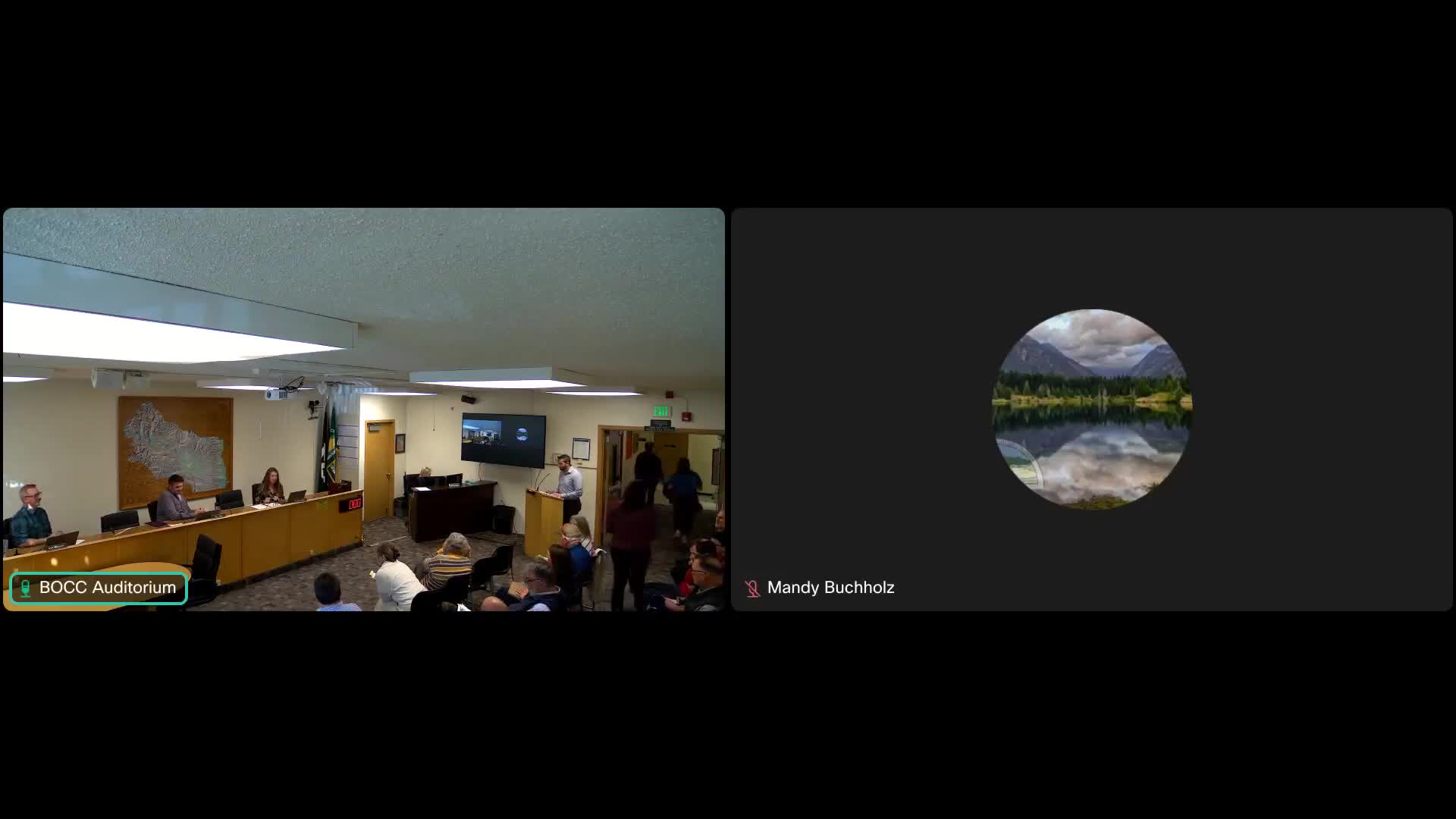
The Kittitas County Board of Commissioners on Oct. 21 approved a resolution and related documents to establish the Kittitas County Economic Development Partnership under the Conference of Governments (COG). The action authorizes staff to finalize a memorandum of understanding and an interlocal agreement that organizers said will enable the county and its municipal and nongovernmental partners to hire an executive director to implement the county's economic development strategic plan.
Brian Bridal, identified in the meeting as county auditor and staff lead on the item, introduced the proposal and said the board was being asked to sign two documents: an MOU for nongovernmental partners (such as chambers and downtown associations) and an interlocal agreement establishing the legal structure under COG. Jim Wolford, president of Central Washington University, said the partnership is intended to move the county's economic development plan from strategy to execution. "If we rely on practices and policies and strategies of the past in this very challenging moment we will not be prepared for the future," Wolford said.
Heidi Baron Sernaway, Ellensburg city manager, said the model is intended to provide countywide resources and capacity to grow living‑wage jobs and that the organization’s structure may evolve over time. County staff explained the COG would oversee the executive director, who would coordinate an action committee and advisory groups representing municipalities and rural communities; commissioners would retain legal authority over funding allocations and hiring decisions.
A member of the public, Pat Keller, spoke during the public‑comment period and said the proposed COG changes would be "a huge failure," warning that elected representation and project closeouts could be undermined by the new structure. County staff responded in the item discussion that the structure does not change the county commissioner's ultimate authority over awards and that administrative payroll and HR would operate through the county while the COG would provide shared ownership and oversight.
The board moved, seconded and approved Resolution 2025‑193 to adopt the MOU and interlocal agreement and authorize proceeding with the partnership; the chair called the question and the motion passed by recorded 'Aye' votes among the commissioners present. Staff said the next steps include finalizing the documents and securing funding and signatures from municipal and nongovernmental partners to support hiring an executive director.