Tulsa mayor proposes 0.7-cent sales-tax increase to fund public safety, homelessness and youth services; council asks for more data
Loading...
Summary
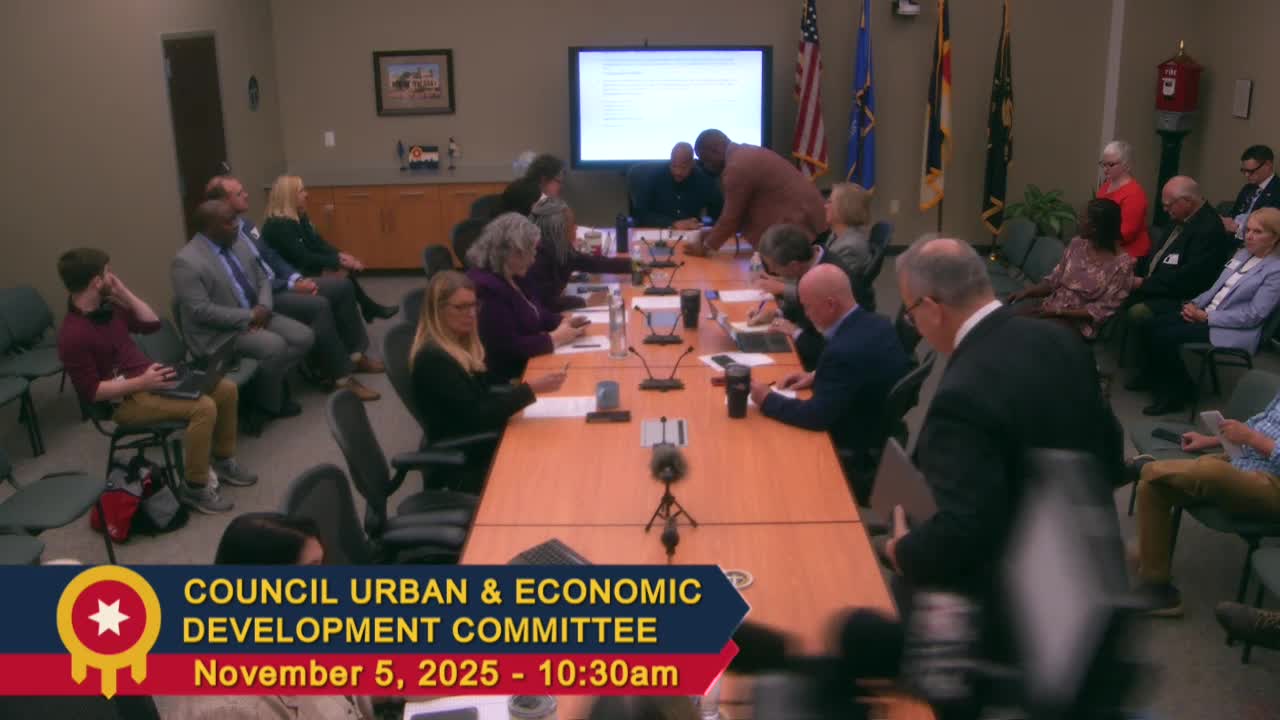
The mayor asked the City Council during its Nov. 5 Urban & Economic Development meeting to send a revenue measure to the ballot proposing a 0.7-cent sales-tax increase, which he said would generate an estimated $80 million a year in operating revenue if voters approve it.
The mayor asked the City Council during its Nov. 5 Urban & Economic Development meeting to send a revenue measure to the ballot proposing a 0.7-cent sales-tax increase, which he said would generate an estimated $80 million a year in operating revenue if voters approve it.
"The action that I am asking the council to take... is to put a question — 1 of which would be a 7 tenths of a pay sales tax increase, to invest in, critical services across the city," the mayor said. He framed the proposal as an operational, not capital, revenue solution to recurring budget shortfalls.
The mayor said previous budget limitations have curtailed investments in animal services, employee retention and public safety staffing, and he described the proposed tax as a way to avoid continuing to draw on fund balance. "We do it through fund balance... I think we gotta break away from that and make sure we're being honest with the people who pay the bills," he said.
Council members pressed for more detail. "Do we have data like that for this related to it'll cost this much per month per family or for a business?" Councilor Bellas asked, noting constituents want concrete household and small-business estimates. Several councilors asked for line-item proposals showing how much the city would allocate to homelessness, fire and police overtime, youth programs and a proposed business retention or deal-closing fund.
Councilor Lakin said the speed of the timeline is a problem: "Given that we're being asked to adopt a 20% tax increase in 14 days just as a council, it's hard for me to say yes... we just haven't had that engagement out there." The mayor said Feb. 10 was chosen to give the budget office and council time to know whether additional resources will be available when the next budget is drafted and to allow those decisions to flow into the fiscal-year process.
The mayor acknowledged the burden on low-income households and pledged accountability: "It does come with a high degree of accountability... we have to make sure that people are getting benefit out of it," he said. He also promised to provide more detailed analyses to the council over the coming weeks.
What’s next: The mayor asked the council to vote Nov. 19 on whether to send the measure to the ballot; councilors asked for more precise cost-to-household figures, program-level budgets and options to protect portions of the revenue in dedicated funds. The council did not take a binding vote during the UED discussion.
Why it matters: A successful vote would add sustained operating revenue available each fiscal year; a rejection would leave the city’s options limited to fund-balance spending, program cuts or alternative revenue sources.
Attribution: The mayor and councilors spoke on the record at the Nov. 5 UED meeting. Councilor Anthony Archie presided over the meeting and introduced the mayor’s presentation.