
Sumner County committee publishes draft FY2026 budget after multi‑hour review
Get AI-powered insights, summaries, and transcripts
Subscribe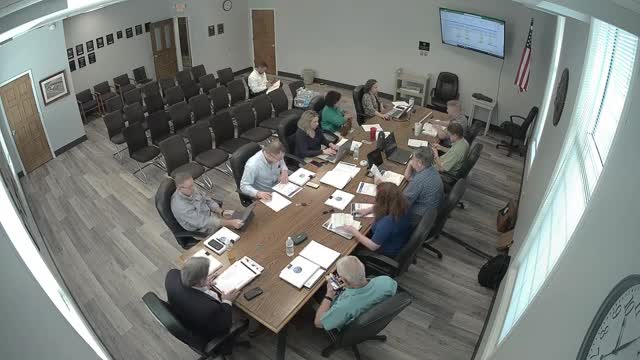
Summary
Finance staff updated the committee on revised revenue recognition rules, sales‑ and property‑tax assumptions and grant timing; after department requests for personnel and capital changes, the committee voted to publish the draft budget as amended and to continue follow‑up work in October.
Sumner County’s budget committee voted Thursday to publish a revised draft FY2026 budget after a daylong workshop in which finance staff explained updated revenue assumptions and department heads requested additions and adjustments.
Finance Director Martin told the committee the office had moved from “draft 2” to “draft 3” by aligning grant revenues and expenditures to revised recognition rules. The office said revenue recognition for grants more than 60 days out can change the reported fund balance; the staff presented parallel balance‑sheet scenarios and urged a careful review of large grant entries before finalizing figures.
Commissioners pressed the finance team on sales‑tax assumptions and property‑tax collection rates. Finance said its sales tax estimate was intentionally conservative because of recent volatility and that property‑tax projections reflected appeals history and a 2.5% uncollectible assumption. The director advised commissioners that appeals could push net receipts higher or lower and that the recommended numbers are meant to be cautious.
During department presentations, the sheriff’s office and Emergency Medical Services requested personnel and pay adjustments; consolidated dispatch asked for additional telecommunicators; volunteer fire chiefs asked for recurring base funding and a capital pool; and the election administrator requested one‑time funding for convenience voting centers and extra polling help. Judicial and probation offices sought targeted staffing and program money, including a probation proposal to stand up a state‑mandated cognitive‑behavioral course that would be fee‑supported.
After line‑by‑line discussion and several small reallocations, the committee approved a motion to publish the draft budget as amended and directed staff to: (1) post the document for the statutory public‑notice period, (2) form an ad hoc committee to propose a countywide personnel/step policy so elected officials and department heads have a standard framework for COLA/step decisions, and (3) return to a workshop in October with refined revenue projections and proposed midyear amendments. The committee did not adopt all department requests; several were left for the October workshop or to be addressed as one‑time capital items.
The committee’s action authorizes staff to make minor clerical adjustments needed for publication and to continue working with departments on the remaining requests. The committee also asked staff to prepare clearer breakdowns of the capital asks and to identify one‑time versus recurring costs so future amendments would be easier to evaluate.