Get Full Government Meeting Transcripts, Videos, & Alerts Forever!
Get email alerts on the Airport topic
No spam. Unsubscribe anytime.
Manassas airport commission outlines Part 139 pursuit; tower replacement could cost $18–20 million
Summary
Airport commissioners reported record operations, new tenants and fuel sales, and said the field is preparing for possible Part 139 commercial certification. Commissioners flagged a possible $18–20 million cost for a replacement air traffic control tower and suggested seeking federal support.
The Manassas City Airport Commission reported growth in based aircraft and operations and described work to position the field for potential Part 139 (commercial service) certification, while warning that a modern replacement control tower could cost an estimated $18–20 million.
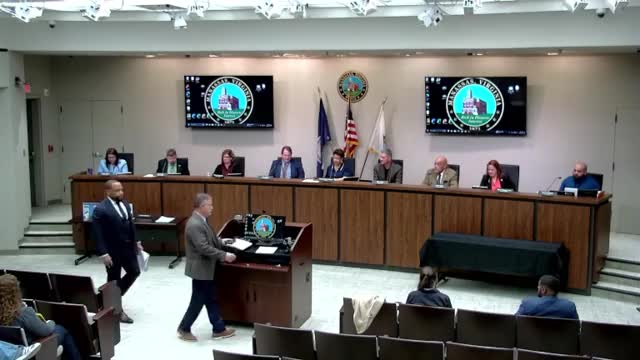
Rod Hall, chairman of the Airport Commission, briefed council on the annual report and highlighted growth: 426 based aircraft (up from 403) and more than 102,000 aircraft operations last year. Hall said the airport sold roughly 2.5 million gallons of aviation fuel in the past year and added three new businesses, including flight training and maintenance providers.
Hall said the commission and airport staff are working with the Federal Aviation Administration and other partners to complete a Part 139 certification checklist—work that includes aircraft rescue and firefighting (ARFF), security, environmental assessments and infrastructure upgrades. He identified a replacement air traffic control tower as a priority and estimated a cost “about 18 to 20 million dollars” for a modern facility.
Airport Director Juan Rivera and commissioners told council they would pursue multiple funding sources and indicated they planned to coordinate with the congressional delegation to pursue federal assistance. Council members asked for periodic updates; the airport agreed to return in late spring with progress reports and additional detail on a potential commercial service plan.
Commissioners also noted the airport’s role in workforce development—flight training and maintenance programs aim to address national shortages of pilots, mechanics and air‑traffic controllers—and reiterated that increased activity during large regional events tested operations successfully.