Get Full Government Meeting Transcripts, Videos, & Alerts Forever!
Get email alerts on the Civic Engagement topic
No spam. Unsubscribe anytime.
University of Utah session urges students to engage locally and track state legislation
Summary
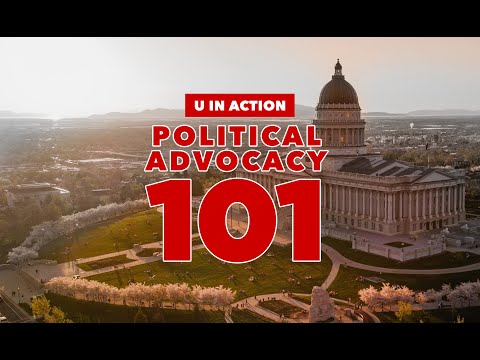
At a University of Utah event at the Hinckley Institute of Politics, Professor Matthew Burbank told a student audience that political advocacy “is really just expressing your view” about how public resources are used and that making those views known matters even if advocates do not always win.
At a University of Utah event at the Hinckley Institute of Politics, Professor Matthew Burbank told a student audience that political advocacy “is really just expressing your view” about how public resources are used and that making those views known matters even if advocates do not always win. The session, organized by the Associated Students of the University of Utah (ASUU), covered how U.S. federalism concentrates many policymaking opportunities close to residents, how to track bills in the Utah State Legislature and how students and other residents can communicate effectively with representatives.
Burbank said students should prioritize where to push for change and be clear about the action they want from an elected official. “What you want to try to do is think of what your own view is, express it as clearly and as strongly as you can,” he said. He urged attendees to match their concern to the correct level of government and to use official channels — including the Utah legislature’s website and local government agendas — to follow and influence proposals.
The presentation stressed practical points about Utah’s legislative process: the Utah Senate has 29 members and the Utah House 75; bills are drafted by attorneys in the Legislative Research and General Counsel office, assigned to standing committees for hearings and possible amendment, and must pass both chambers before reaching the governor; the regular session runs 45 days. Burbank recommended tracking bills on the legislature’s public website and contacting the committee members or the sponsor at the proper stage of the process.
On tactics, Burbank advised students to be professional and specific when contacting representatives — say whether you want the official to vote for or against a bill, or to reconsider an action — and to avoid opening communications with insults or invective. He also recommended building coalitions: “Political advocacy really is kind of a team sport,” he said, describing how student groups and community organizations can increase impact by pooling knowledge and contacts.
During a 20-minute question-and-answer period, students asked how to advocate against interests with greater socioeconomic resources, whether centralizing state power increases or decreases individual influence, and how undocumented immigrants can make their concerns heard without undue risk. Burbank said that people who are undocumented do participate in politics in many ways and that allied citizens and organizations can help reduce personal risk while amplifying immigrant voices.
A student asked how college students can be taken seriously by officials despite age differences; Burbank suggested leaning into students’ curiosity and willingness to learn and explicitly asking officials for help or guidance. Ethan Foley, a student governance advisor, added that students across the university have expressed similar concerns and encouraged attendees to continue engaging through ASUU-sponsored events.
Organizers closed by announcing two follow-up sessions: a January event focused on legislative engagement and constituent rights, and a March session with the Policy Project on how to advance initiatives toward law. Flyers and a sign-up sheet for reminders were provided to attendees.