School District: meals remain free but SNAP‑Ed cuts threaten Eat Right Philly and school produce programs
Loading...
Summary
District officials said school meals remain available at no cost through Community Eligibility, but the federal elimination of SNAP‑Ed funding risks ending Eat Right Philly and partner SNAP‑Ed programs after the 2025–26 school year, reducing classroom nutrition education and school produce distributions.
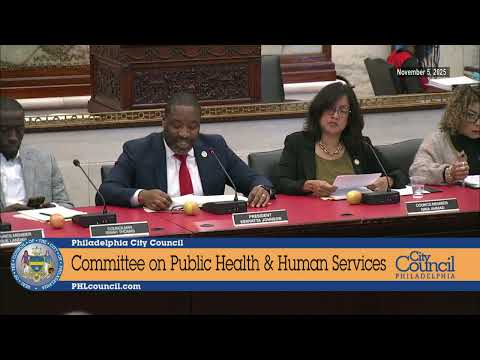
Officials from the School District of Philadelphia told Council the district’s meal program will continue to feed students, but nutrition education supports are at risk.
Theresa Fleming, chief operating officer for the School District of Philadelphia, told the hearing the district operates meal services at 253 schools and three charter locations and provides breakfast, lunch and after‑school meals at no cost to enrolled students under the federal Community Eligibility Provision. The district’s current average daily meal participation across breakfast, lunch and after‑school programs was reported to be roughly 102,300 meals.
Fleming and the district’s food services leaders asked council to promote awareness and participation: the district has capacity but participation remains below capacity in many schools. The district said it will work with school leaders and community school coordinators to identify students at risk and to scale meal production as demand rises.
On SNAP‑Ed, district and partner testimony described an intensive, multi‑year outreach and education program known as Eat Right Philly. District nutrition staff and SNAP‑Ed partners provide curriculum, school gardens, food tastings and Groceries for Good monthly produce distributions to families; the district’s Groceries for Good program distributed more than 400,000 pounds of fresh produce over the last four years. Witnesses said federal SNAP‑Ed funding was eliminated in the July legislation, putting partner education staff and school‑based programs at risk of sunsetting following the 2025–26 school year unless local funding is identified.
District staff told the committee they are planning increased outreach to drive meal participation, to coordinate with community partners to distribute food, and to use school food as a key immediate resource for families facing SNAP shortfalls. Council members asked for follow‑up data on participation rates by school, details on leftover food reuse and school food pantry practices, and the district agreed to provide further information.
Takeaway: Free school meals are a core immediate safety net and the district can scale up production, but the elimination of SNAP‑Ed funding endangers in‑school nutrition education and family produce distribution programs that support long‑term diets and food security.