Share, Philabundance and community partners report surge in demand; warn charities cannot replace SNAP
Loading...
Summary
Local food banks and nonprofits described historic increases in need, supply chain pressure and limits on charitable capacity; Philabundance and Share committed additional monthly distributions but said SNAP’s purchasing power cannot be fully replicated by food banks.
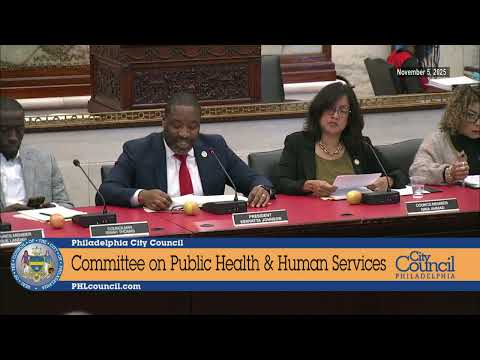
At a Nov. 5 City Council committee hearing, leaders from the city’s largest charitable food organizations described demand spikes and supply strain following the federal SNAP disruption.
George Matysik, executive director of the Share Food Program, told the committee that Share serves more than 500,000 people monthly in the region and has seen demand at the organization rise 120% over three years; in recent days pantries reported a 12‑fold increase in new registrants. "These are 2 truths behind our work: food is a human right, and hunger is solvable," Matysik said, and he added that recent federal actions have hollowed out resources that charities previously relied on.
Lori Jones Brown, chief executive officer of Philabundance, told the committee Philabundance committed to providing at least 25% more food to its network — roughly 600,000 additional meals each month — and noted partners and donors stepped up with emergency support. But Philabundance and Share both emphasized that charities cannot substitute for SNAP: for every meal provided by the charitable network, SNAP supplies roughly nine meals in communities, they said.
Smaller community providers and SNAP‑Ed partners described the functional impacts: pantry partners reduced portions in some areas because shelf inventories were low; some pantries are shifting to pre‑packaged boxes to speed distribution and reduce line times; church‑based and faith organizations remain vital local distribution points.
Nonprofit leaders asked Council to help by clarifying how city rapid grants and philanthropic dollars will be distributed to smaller providers and by supporting food bank logistics: cold storage, truck capacity, and neighborhood delivery infrastructure. Several witnesses said rapid microgrants should carry simple reporting requirements so funds can be distributed and spent within days.
Takeaway: The charity sector activated emergency surge plans and city and philanthropic funds helped extend short‑term capacity. Nonprofit leaders repeatedly told the committee that immediate city action helps but does not replace the monthly buying power and predictability that SNAP provides.