Palm Beach State outlines Emergency Response Training Center for Loxahatchee Groves campus
Loading...
Summary
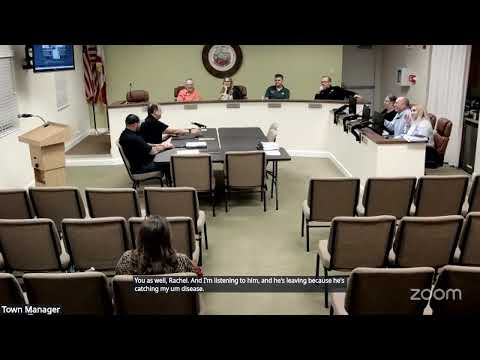
Palm Beach State College presented an Emergency Response Training Center proposal to the Loxahatchee Groves Town Council on Nov. 4, describing a single-story training building and large outdoor simulation areas set back within campus trees and buffered wetlands, and announcing plans to extend campus water mains to support fire protection.
Palm Beach State College representatives described plans on Nov. 4 for an Emergency Response Training Center at the Loxahatchee Groves campus intended for interdisciplinary hands-on training for firefighters, law enforcement and emergency managers.
"The main focus of this project is to build seamless and effective interdisciplinary training for fire and law enforcement," Andreas Alexander, associate dean for academic affairs for the Palm Beach State Loxahatchee Groves campus, told the council. He said the college believes it can support statewide training needs and that the facility would be the only one of its type in Florida.
College architects showed a single-story building (the tallest portion described as under 20 feet), adjacent lay-down and outdoor simulation areas and a well‑landscaped small parking area serviced by an extension of the campus drive. Mary Lindgren, the environmental consultant, said the site has two wetlands that would be preserved and buffered and that a tree survey had informed the siting to avoid larger specimens.
The project will also require extending water mains from Southern Boulevard and the main campus drive to provide additional fire water mains and hydrants. "This is going to make the campus a lot safer and more resilient," Jill Lendigan, the architect, said.
Council members and residents pressed the presenters on specific details. Councilmember McClendon asked whether the center would include features such as a burn house and rappel tower; college staff said the design focuses on search-and-rescue, vehicle/machinery extrication and trench rescue more appropriate to the local environment. A resident who identified himself as Paul asked about perimeter plantings and using native canopy trees; the college said it plans to preserve large slash pine and live oak where practical and supplement with native species for screening.
The college said it would provide the council with its campus master plan and coordinate on future utility and access issues. Presenters also said they were willing to consider community requests—such as trail connectivity—during later planning phases.
What happens next: college staff said the project received district approval to be sited on campus and will proceed through site, environmental and permitting reviews. Town staff did not make a formal regulatory decision at the meeting. The council and residents asked the college to share the master plan and to coordinate about trees, buffers and any future requests by the town for trail connections.
Why it matters: the training center aims to centralize high-fidelity, hands-on emergency response exercises in the region. The town will review environmental protections (wetlands, buffers and tree preservation) and utility upgrade work as part of permitting and coordination with county and state agencies.