Get Full Government Meeting Transcripts, Videos, & Alerts Forever!
Get email alerts on the Plate Registration Implementation topic
No spam. Unsubscribe anytime.
TXDMV outlines plate rollout under HB718; dealers and mobility providers report system errors and delivery delays
Summary
The TXDMV reported progress and continuing challenges in its July 1, 2025 implementation of House Bill 718, which moved Texas from paper temporary tags to metal license plates; the agency described plate shipments, web dealer training and compliance visits and said it is providing expanded customer support while some dealers and mobility providers continue to experience system errors and delivery problems.
The Texas Department of Motor Vehicles provided a detailed implementation update on July 10 regarding House Bill 718, the statute that eliminated multiple forms of paper temporary tags and required dealers to provide license plates at the time of sale beginning July 1, 2025. The agency described production, distribution and training efforts and took public comment from dealer and industry representatives who reported continuing technical and delivery problems at some locations.
Implementation actions completed and underway
- Plate production and distribution: TXDMV said it had shipped more than 4,000,000 plates to dealers in an initial staged distribution. Plates are manufactured by TDCJ and warehoused/distributed via a contract with Taylor Communications and an inventory management system (Apptricity). Some shipments (about 650 dealers) were returned as undeliverable for address or operational reasons, and approximately 250 dealers received a denial of access notice tied to plate/temporary tag privileges.
- Web dealer and law enforcement training: The agency reported more than 100 web dealer training sessions (including 50 in‑person), training more than 36,000 dealer staff and 17,500 GDN (general distinguishing number) holders. The department also produced a short audio training for law enforcement and issued advisory bulletins to DPS and local law enforcement to reduce confusion during the post‑July 1 overlap period when previously printed buyer tags could still be valid for up to 60 days.
- New plate types: The department created new plate types required by statute, including dealer plates, a temporary registration plate (replacing prior 30‑day and one‑trip permits), an out‑of‑state buyer plate and a buyer provisional plate used when a dealer does not have a plate on hand to transfer at sale.
- Compliance staffing and inspections: The Legislature funded 42 new positions; the department placed 26 positions in enforcement for compliance work. TXDMV compliance staff conducted thousands of proactive site inspections (2,942 dealerships visited) and approximately 1,300 educational field visits to assist dealers that had not completed web dealer training. Enforcement has opened cases for locations not operating at their license location.
- Customer support: To manage expected call volume, TXDMV deployed chat and voice bots, established escalation teams (Enforcement, VTR, MVD), and staffed extended hours including July 4 and weekends; agency staff reported handling escalations and manually processing plate receipts to get dealers registered when needed (the agency said it manually received plates for about 3,500 dealers in the days after July 1).
Industry feedback and unresolved issues
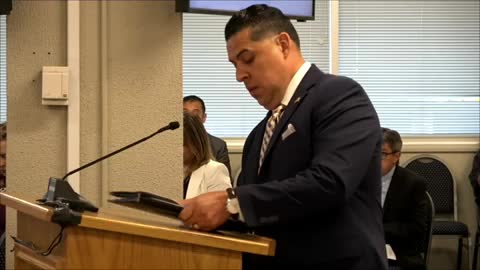
Three public commenters addressed the Board under agenda item 18. Mary Zatopek, general manager for United Access (mobility dealer), told the Board that multiple United Access locations were receiving system errors and could not assign plates; she said their customers were unable to receive wheelchair‑accessible vehicles and asked TXDMV to provide a technical or process solution. Executive Director Daniel Avittian and Deputy Director Roland Luna invited her to meet with agency staff immediately after the meeting to work toward a fix.
Karen Phillips (Texas Automobile Dealers Association) acknowledged the intense operational lift and thanked TXDMV staff; she also reported dealer concerns and noted the agency had been responsive. John Frullo (TIADA) echoed that sentiment, thanked staff for outreach and said dealer associations will collect and forward raw issue data via a survey to help the agency prioritize fixes.
Agency response and next steps
TXDMV emphasized the scale of the change — from county plate control to tens of thousands of dealers responsible for plate security — and described a multi‑pronged customer‑service and enforcement approach to reduce risk of misuse and to resolve delivery or system errors. The agency said specialty plate assignment and out‑of‑state buyer plate transactions are functioning; where transactions fail or delivery issues arise, compliance and IT staff have been assisting dealers (including manual plate receipt when required). The department will continue outreach with county tax assessors, dealer associations and law enforcement and will publish clarifying guidance and technical fixes during the post‑implementation period.
Stakeholder guidance
Dealers and mobility providers encountering system errors were encouraged to report specific transaction IDs and contact the TXDMV escalation teams to enable targeted troubleshooting and, where appropriate, manual processing to avoid customer delays.