Get Full Government Meeting Transcripts, Videos, & Alerts Forever!
Get email alerts on the Animal Control topic
No spam. Unsubscribe anytime.
Smith County animal-control seeks truck, supervisor and on-site vet amid rising intake
Summary
Animal-control staff told commissioners the department is stretched thin after a recent rise in intake and asked for a replacement vehicle, a field supervisor with a vehicle, a shelter assistant and additional medical funding including an on-site or contract veterinarian to sterilize and vaccinate animals before release.
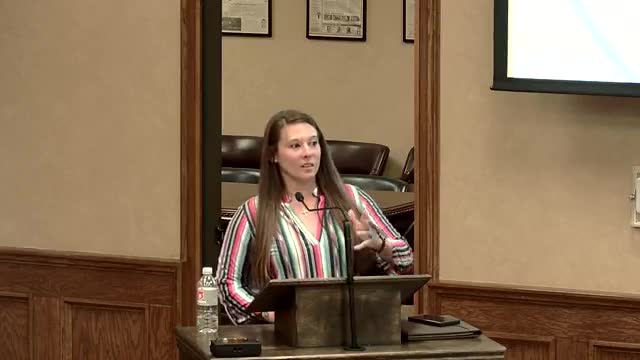
Amber Green, speaking for Smith County animal control, asked commissioners during the FY2026 budget workshop for equipment and staff to address heavier workloads and shelter medical needs.
"I am asking to replace the aging fleet," Green said, adding that the department already had used a surplus vehicle to keep field operations running after a transmission failure. She asked that the county replace the older truck with a new Ford F‑150 four‑wheel‑drive and either repurpose a surplus Tahoe for training and out‑of‑town travel or approve a field supervisor position with a vehicle for that supervisor.
Green said the department’s caseload has grown markedly: "We are taking anywhere from 60 to 80 calls into the shelter in a day," and, she added, monthly totals show significant year‑to‑year increases. She told the court four animal control officers (ACOs) currently cover about 950 square miles and that the workload supports more staff: "There's a workload that we could put 8 officers to work and I'm just asking for 1." The proposed field supervisor would oversee field operations, provide training and be a go‑to resource for ACOs in the field.
The request included a shelter assistant position intended to staff the front desk, answer phones, process adoption applications and maintain the lobby when lead staff are unavailable. Green also asked commissioners to reexamine the department’s pay scale, which she said is currently tied to certification levels, proposing instead step increases tied to years of experience to improve retention.
On medical services, Green asked for additional funding and said she seeks either a part‑time or contract veterinarian to provide immediate care, conduct on‑site evaluations for cruelty investigations and enable the shelter to sterilize and rabies‑vaccinate animals prior to release. "With having the vet on staff, we wouldn't have to go to the vet's offices and pay the office exam fee," she said, and noted that increased on‑site care could reduce overall medical bills. Commissioners asked about the schedule and scope for a part‑time vet and about whether the shelter would need a pharmacy license; Green said the shelter is not set up for surgery now and would not be able to perform procedures requiring a surgical suite until a new facility is available.
Budget staff pulled trending figures during the meeting: the department reported taking in 9,193 calls from April through December of the prior year, with 2,356 classified as dispatchable, and medical spending that had about 39% remaining at the time of the meeting. Commissioners and staff asked follow‑up questions about repair vs. replacement for the existing truck, the costs of sterilisations and rabies vaccinations, and whether grants or pet‑license plate funds might offset some expenses.
Commissioners praised animal‑control staff and encouraged public support: one commissioner asked residents to "please be kind, understand, and adopt." No formal action was taken; staff were asked to provide follow‑up numbers for the capital and medical requests.