Get Full Government Meeting Transcripts, Videos, & Alerts Forever!
Get email alerts on the Water Service topic
No spam. Unsubscribe anytime.
Richmond restores water after treatment-plant failure; mayor orders independent after-action review and seeds relief fund
Summary
Richmond Mayor Danny Avila told City Council that a Jan. 6 power outage and a failed switchgear caused SCADA controls to go offline and flooded pumps and filters at the city's water-treatment plant, prompting a boil-water advisory; the plant was repaired, tests returned negative bacteria results, and the advisory was lifted after two rounds of testing.
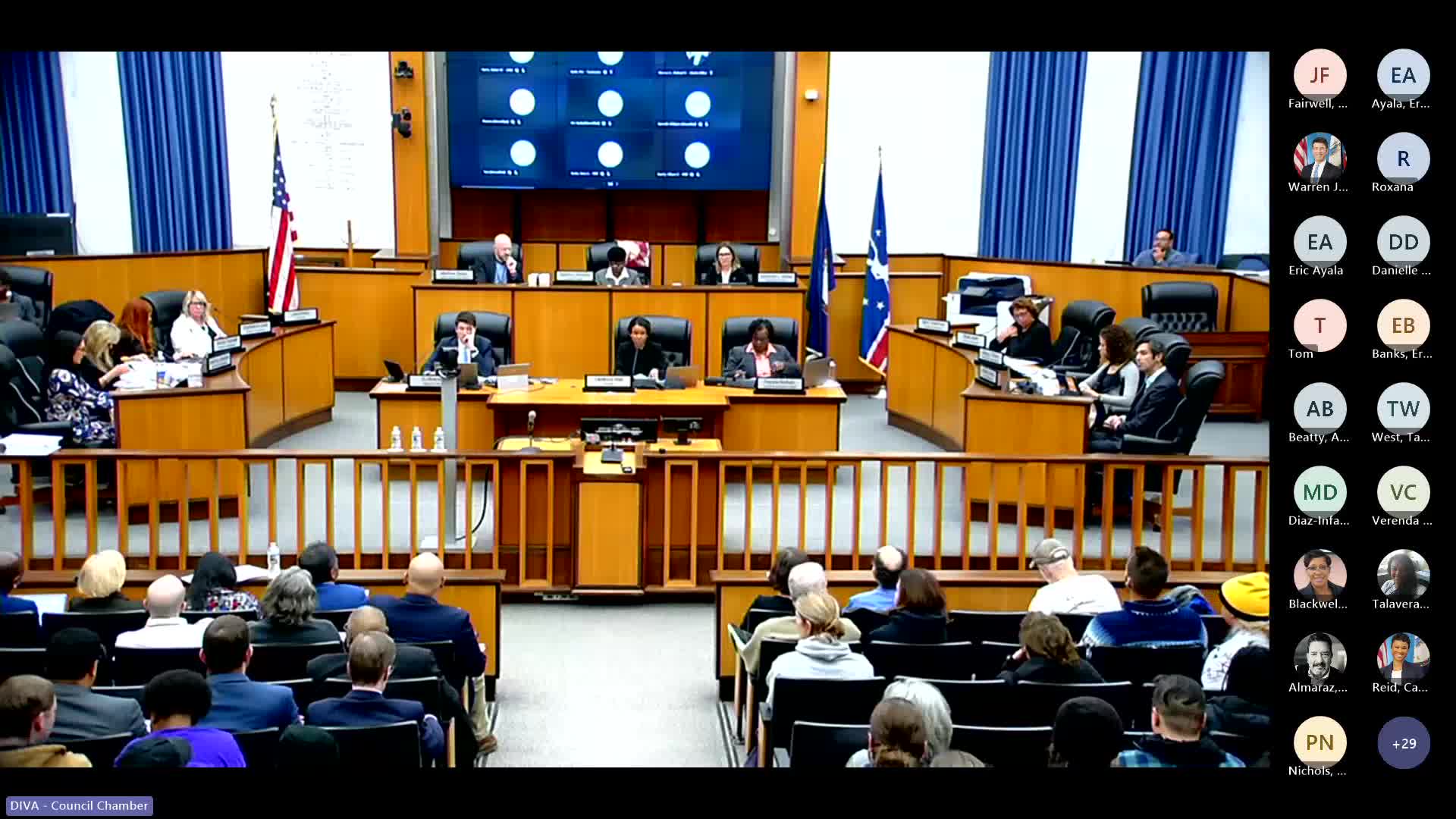
Richmond Mayor Danny Avila told City Council on Jan. 13 that a power outage in the early hours of Monday, Jan. 6 caused a switchgear failure and a SCADA software crash that left key valves open, allowing water to flood pumps and filters at the city's treatment plant and temporarily halting production.
Avila said an electrician manually switched the plant to a secondary power feed within about an hour to 90 minutes and crews began dewatering and disassembling submerged machinery. The city launched its emergency operations center, brought in regional contractors and software experts, installed bypass pumps and a backup battery for the control system, and conducted visual inspections and hourly on-site checks.
"When the software came back up it did not connect to our servers," Avila said, describing multi-hour interruptions in supervisory controls that he said required outside network experts. He said the SCADA connection was restored shortly after midnight and work continued to bring pumps and filters back online.
Avila said the city pumped at times as much as 80,000,000 gallons a day to refill empty distribution tanks and reservoirs. The administration reached a 20 psi systemwide threshold Thursday to begin bacteriological testing; two rounds of tests completed Friday showed no bacteria and adequate chlorination, allowing the city to lift the boil-water advisory Saturday morning.
The mayor outlined three phases for recovery: an immediate, transparent after-action forensic review; a midterm analysis of emergency-preparedness culture and plant protocols over a period of months; and a long-term regional resiliency planning effort that would seek multiple sources and redundancies for water supply. Avila said the initial forensic after-action review should be started promptly and he hoped a substantive in-depth analysis could be produced within about 30 days.
The city also announced short-term community supports. Avila said city, regional and philanthropic partners were discussing reopening a regional emergency response fund used during COVID and that the mayor's inaugural event organizers had committed an initial $25,000 to seed that effort. He said the Department of Economic Development and the Economic Development Authority were identifying supports for small businesses, and the Office of Children and Families was engaging regional philanthropies to identify resident relief. The city has delayed payment due dates by 10 days for affected utility customers while emphasizing that water bills are consumption-based.
Mayor Avila credited staff, volunteers and partner agencies for round-the-clock work at the plant and said the city had adopted new on-site staffing procedures and inspection protocols to guard against further outages. "We are gonna look into a holistic evaluation of our strengths and our vulnerabilities of our infrastructure," he said, adding the long-term resiliency work will require state and federal engagement and could take years.
Council members asked for clarity on timing for the after-action findings and for access to inspection records and reports; an EPA report and other documents were circulated to council, and Council Chief of Staff Matthew Slats said the Government Operations Committee will continue the review of the crisis at a Jan. 22 meeting. Councilmember Trammell asked whether the 30-day timeline applied to lab results or to the after-action review; Avila clarified it was the anticipated turnaround for the deep forensic investigation.
No formal policy change was adopted at the meeting; the mayor described ongoing operational repairs, a firm search for an independent third-party reviewer, and several short-term relief measures that city staff will pursue with council offices and philanthropic partners.
Provenance: First related transcript block start: 00:05:51 (Mayor introduced; mayor presentation begins) Last related transcript block start: 00:54:45 (Council and administration reiterate collaboration; multiple references across meeting)
Quotes used in this article are taken from remarks by Mayor Danny Avila and from remarks by Councilmembers as reported in the council transcript.