Kalamazoo County medical examiner reports slight shifts in 2024 deaths, rise in tissue donations
Loading...
Summary
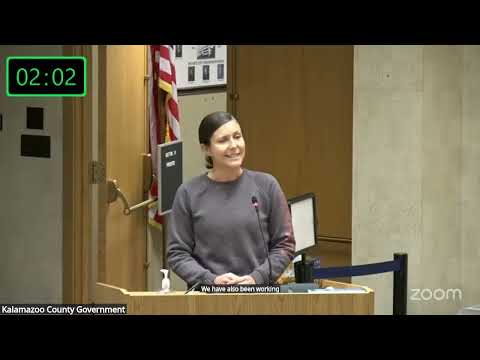
Dr. Patrick Hansma, deputy medical examiner with WMED, told the Kalamazoo County Board on Nov. 5 that Kalamazoo’s 2024 mortality profile showed “very little change from the year prior,” with a slight decline in total deaths but a modest rise in cases reported to the medical examiner.
Dr. Patrick Hansma, deputy medical examiner with WMED, told the Kalamazoo County Board on Nov. 5 that Kalamazoo’s 2024 mortality profile showed “very little change from the year prior,” with a slight decline in total deaths but a modest rise in deaths reported to the medical examiner. Hansma highlighted an increase in successful tissue donations — 25 successful donations from 302 referrals — and said those upward referral trends were “wonderful” and allow procurement within the required time windows.
Hansma said the bulk of deaths remain certified as natural, with accidents (including motor-vehicle crashes and drug-related fatalities) and falls among older adults also prominent. He emphasized the office’s attention to cremation permits and the importance of investigating nonnatural deaths before final disposition.
“Infant deaths that are office certified — 100 percent of them are autopsied,” Hansma said, noting that the county’s forensic-pathology capacity gives high confidence in infant-certification results. He further described suicides and homicides by mechanism (firearms, hanging, drug intoxication) and said pediatric and infant fatalities remain an urgent area for follow-up.
Commissioners asked whether racial disparities explain higher infant mortality among Black infants in Kalamazoo. Commissioner Gisler said the county has long seen disproportionately high infant deaths among Black families. Hansma said he is “not an epidemiologist” and offered that infant mortality commonly associates with socioeconomic status and overlapping historical disparities; he cautioned that his remarks were observational rather than analytical. Commissioners—most notably Commissioner Morales and Vice Chair Taylor—pressed that structural racism and medical-system factors must be considered alongside socioeconomic drivers.
Hansma described the medical examiner’s office as a public-health and preventive function: autopsies and case reviews identify emerging public-health threats, missed diagnoses and possible homicide that can prompt law-enforcement or clinical follow-up. He said the office seeks opportunities to share autopsy findings with treating clinicians in real time when the information could change care for living patients.
The board received the report for review and asked for continued work on translating case-level findings into preventive actions and for coordination with county health and social-service partners.