Get Full Government Meeting Transcripts, Videos, & Alerts Forever!
Get email alerts on the Land Use Development topic
No spam. Unsubscribe anytime.
Consultant outlines vision, timeline for Middletown Community Campus BOA; public engagement and strategic sites highlighted
Summary
Kate Stricker of Hudson Valley Pattern for Progress presented the Middletown Community Campus Brownfield Opportunity Area (BOA) planning project, describing a community vision, strategic sites and a two-year planning timeline.
Kate Stricker of Hudson Valley Pattern for Progress presented the Middletown Community Campus Brownfield Opportunity Area (BOA) planning project to the Common Council on Oct. 6, saying the project is funded by the New York State Department of State and is approximately a two-year planning process.
Stricker read the community vision the steering committee developed: “The Middletown Community Campus is a vibrant and inclusive space that serves as a central hub for education, innovation, culture, the arts, commerce, and outdoor recreation.” She said the BOA plan aims to create development concepts for strategic vacant and underutilized sites, identify redevelopment opportunities aligned with community goals, and recommend policy and action steps. After state review, designation as a Brownfield Opportunity Area could make sites eligible for state subsidies and tax credits that help cover remediation costs.
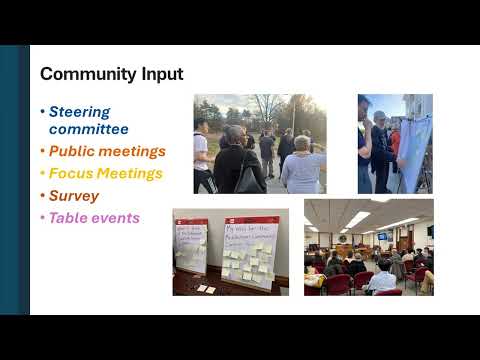
Work to date includes a year of steering-committee meetings, a public survey with more than 230 respondents, four topic-focused focus meetings (culture/arts, community learning and recreation, honoring history, and bicycle/pedestrian access), tabling events and a public meeting. Stricker said the project is moving from phase 1 into phase 2, which will develop draft recommendations and designs for strategic sites and return them to the public for comment; a draft plan is expected next May followed by public review and revision prior to submission to the state for designation.
Stricker said there are roughly nine or ten strategic sites on the campus, most owned by the city, and that some have known or suspected environmental concerns based on prior site uses (examples include a former power plant and a former incinerator at 24 Eagerton). She said sites with documented environmental assessment work are closer to eligibility for remediation tax credits, while other sites would require testing. She described the campus as an educational hub with existing institutions such as Fei Tian College (noted in the presentation) and said Fayton College (as presented) and Tuckerman Hall have existing student housing; the Fayton/Tuckerman area is part of the planning footprint. Forever Green was described as a site that will remain undeveloped but may benefit from catalytic improvements.
Public commentators tied into the BOA presentation. Marilyn Torley told the council the campus’ first arts and cultural festival drew over 2,000 attendees and promoted a planned AI business symposium for local small businesses. In later remarks, the mayor and other officials reiterated that the city is hosting events at the campus now while planning continues.
Stricker invited council and residents to the project website and steering-committee outreach and provided contact information for follow-up questions.
No formal action on the BOA plan was taken at the meeting; the presentation was informational and the council thanked the consultant.