Get Full Government Meeting Transcripts, Videos, & Alerts Forever!
Get email alerts on the Short Term Rentals topic
No spam. Unsubscribe anytime.
Council backs pursuit of short‑term lodging licensing scheme to improve enforcement and TOT collection
Summary
City staff outlined a proposed licensing program requiring owners to obtain a short‑term lodging license, post license numbers on listings, file nuisance response plans and post surety bonds; council directed staff to continue ordinance development and outreach to online platforms and authorized follow‑up.
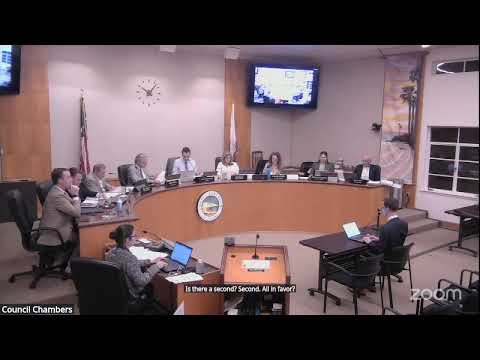
City staff presented a draft licensing scheme Feb. 25 to tighten enforcement of unauthorized short‑term rentals and improve transient occupancy tax collection. The proposal would require operators of short‑term lodging units to obtain a short‑term lodging license in addition to a business license, submit a nuisance response plan, post a $1,500 surety bond and notify neighbors within 200 feet. The ordinance would also require online platforms to display city‑issued license numbers and to remove unauthorized listings.
Assistant City Manager Gavin Curran told the council the rules aim to reduce unlicensed listings and to compel platform cooperation: “The goal is enforcement against unauthorized short‑term lodging and improved TOT collection,” he said, adding that violations could be punished and licenses suspended (01:23:11). Staff said external monitoring vendors (e.g., Granicus) already identify potentially noncompliant listings; current enforcement has cleared many listings after outreach, but staff said more robust platform cooperation and potentially tiered penalties are needed.
Council direction on Feb. 25 authorized staff to proceed with ordinance drafting and outreach to platforms and stakeholders. Staff said they will conduct follow‑up outreach to online facilitators, prepare a formal ordinance for first reading in April and return to council with implementation details and enforcement options, including recommended penalty tiers and more aggressive vendor models to locate and pursue noncompliant operators.