Get Full Government Meeting Transcripts, Videos, & Alerts Forever!
Get email alerts on the Demolition Chestnut Hill topic
No spam. Unsubscribe anytime.
Southborough commission releases Chestnut Hill accessory building after 2-3 vote
Summary
After a public hearing and a site visit, the Southborough Historical Commission voted 2-3 against placing the accessory building at 2 Chestnut Hill Road under a demolition delay and released the owner to proceed. Commissioners and the applicant emphasized salvaging historically significant elements already removed and stored by the owner.
The Southborough Historical Commission voted 2-3 on Nov. 5 to decline a motion to preferentially preserve an accessory building at 2 Chestnut Hill Road, clearing the way for the owner and contractor to proceed with demolition and salvage.
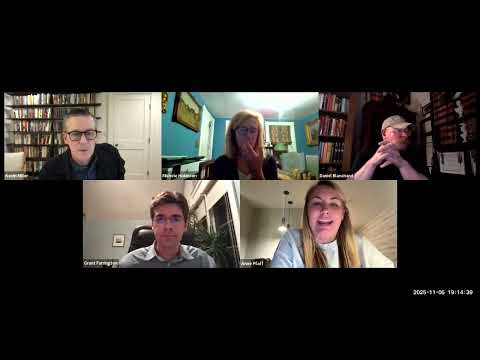
Chair Kevin Miller opened the public hearing, summarizing a MACRIS report and a site visit on Oct. 25. Miller said the building appeared to be an assembled "amalgam" of older building fabric — paneling, doors and windows reportedly brought from New Hampshire and Lynn in the 1920s — and that the commission had received an affidavit from the homeowner documenting that provenance.
Grant Farrington, a commission member who joined the Oct. 25 site visit, said, "To me, there's no question that it is historically significant," but added he believed a delay could give time to explore salvage or repair. Felix Wamburu, the contractor representing the applicant, told the commission that a structural engineer had concluded the foundation and supporting structure were compromised and that lifting the intact building would not be feasible. Wamburu said crews had already removed and stored architectural elements including built-in cabinetry, floorboards and some beams for reuse.
Commissioner Annie Faff said she was "in the same stance" as others who wanted to preserve elements where possible, but noted salvage work is costly and that the homeowner had already begun salvaging items. Commissioner Dan Blanchard said the building had extensive rot from rising damp and roof failure and that, in his view, the structure was likely beyond practical restoration.
Miller moved to "preferentially preserve" the accessory building (a motion that would have imposed the commission's demolition delay); Grant Farrington seconded. A roll-call vote recorded two yes votes and three no votes, so the motion failed and the commission chair stated the property would be released from the commission's delay process.
After the vote, Wamburu said the homeowner had spent about $10,000 hiring crews to remove and stabilize salvageable items and had stored them for future reuse. The commission noted the decision did not prevent local citizens or organizations from attempting to salvage parts, and members encouraged the contractor and homeowner to make salvageable elements available to community groups.