Get Full Government Meeting Transcripts, Videos, & Alerts Forever!
Get email alerts on the Pearl Turnaround topic
No spam. Unsubscribe anytime.
Pearl Elementary outlines turnaround plan after nine-point rise; sets goal of 73
Summary
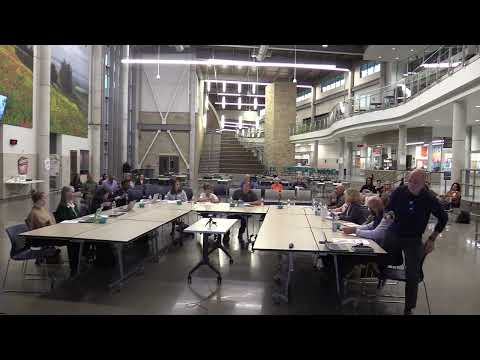
Pearl Elementary leaders presented a campus turnaround update to the Georgetown ISD board during the Nov. 4 workshop, saying the school’s campus score rose from 57 to 66 and that the campus is targeting a 73 by the end of the year.
Pearl Elementary leaders presented a campus turnaround update to the Georgetown ISD board during the Nov. 4 workshop, saying the school’s campus score rose from 57 to 66 and that the campus is targeting a 73 by the end of the year. The presentation described a package of instructional strategies, coaching and data practices intended to accelerate growth.
The presenter said the campus developed PERL commitments and instructional priorities in July and has worked with teachers to identify daily classroom practices tied to those priorities. “Although we grew 9 points, we went from a 57 to a 66,” the presenter said, and added, “Our goal is to be a 73 by the end of the school year.”
Staff described specific structures aimed at making classroom practice consistent across grades: high‑quality instructional materials (HQIM), research‑based math tasks, exemplar “show” models of mastery and a schoolwide tracking system for small‑group work (referred to in the presentation as a winning tracker). Teachers meet in professional learning communities to examine data and group students by skill needs; principals and instructional coaches use short benchmark assessments and the district’s Eduphoria system to monitor progress by campus and by student group.
Trustees pressed for details about monitoring and interventions. District staff said common assessments are reviewed for rigor and alignment with standards and that campus instructional coaches and the district teaching and learning team have written short unit assessments and benchmarks. The presenters said those benchmarks and short assessments are entered into Eduphoria so leaders can run campus‑level and subgroup reports.
The presenters explained the campus’s tiered intervention model. Tier 1 is the grade‑level lesson and reteach available for all students; Tier 2 is in‑class small‑group work pulled during independent practice; Tier 3 is intensive intervention delivered by content interventionists, special‑education staff or dyslexia specialists. The presentation described Tier 3 as a more intensive block of support, citing typical sessions “45 minutes to 50 minutes” in length. Presenters also said Pearl serves approximately 30% students receiving special‑education services.
Campus leaders outlined coaching and feedback cycles for all adults in the building, including brief, actionable feedback with follow‑up observation dates. They said observational data is used to identify common needs across the campus and that the district and campus are already seeing indicators of improved instructional quality and student engagement.
Board members thanked the campus leaders for the update and asked for continued reporting as the district’s mid‑year benchmark data becomes available. The presenters said they plan regular updates tied to benchmark cycles and ongoing data meetings.