Get Full Government Meeting Transcripts, Videos, & Alerts Forever!
Get email alerts on the Religious Institutions topic
No spam. Unsubscribe anytime.
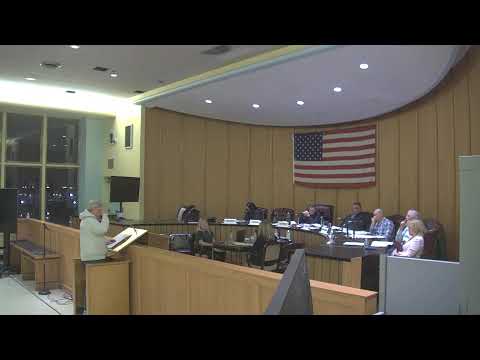
Planning board approves Temple Israel subdivision to allow sale‑marketing of Walnut Street building
Summary
The Planning Board approved an amended subdivision requested by Temple Israel to separate the Walnut Street building from the sanctuary and Park Avenue parcels so the congregation can market that parcel to raise funds for repairs and operations.
The Long Beach Planning Board voted to approve an amended subdivision requested by Temple Israel that separates the Walnut Street building from the sanctuary parcel so the congregation can market that building for sale.
Attorney Kenneth Apple told the board the Walnut Street structure (built in 1926) has structural issues and the congregation faces financial hardship. He said the temple does not have a buyer in hand and that the aim is to market the Walnut Street parcel to generate funds to preserve the sanctuary and continue operations. Temple leaders emphasized that the property is currently tax‑exempt and that sale to a private buyer would place that parcel back on the tax rolls.
Neil Pysner, who identified himself as the temple president, and Rabbi Elliot Federman described rising operational costs, insurance increases and deferred storm‑damage repairs dating to Hurricane Sandy. Pysner said subdivision and partial sale would allow Temple Israel to ‘‘downsize’’ and stabilize finances while preserving the sanctuary and Park Avenue facilities for continued use.
Board member Galtow moved to approve the amended subdivision; Board member Patton seconded. The board recorded votes in favor and approved the amended subdivision on the record. Staff and counsel noted future permitting or changes by a buyer would require the normal review process, including any zoning variances and site plan or environmental review if the new owner proposes different uses.