
Worcester commission hears bilingual briefing on asylum, U/T visas, juvenile protections and practical "know-your-rights" steps
Get AI-powered insights, summaries, and transcripts
Subscribe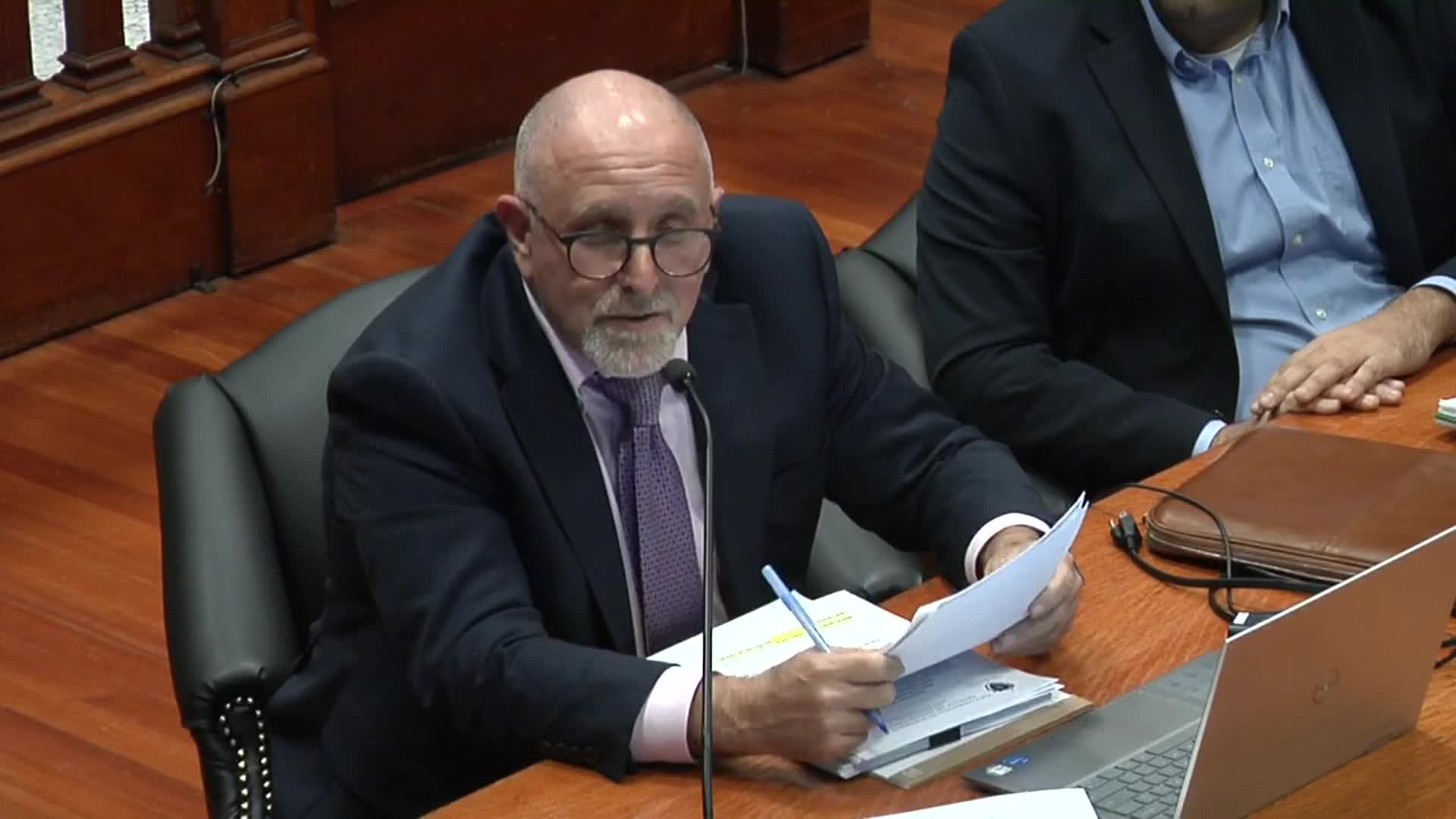
Summary
At its regular meeting the Human Rights Commission hosted immigration attorney Alex Meridi for a bilingual presentation on pathways such as asylum, U and T visas and special immigrant juvenile status, and discussed local enforcement practices, certification for U visas, and city and state "know-your-rights" guidance for encounters with ICE.
Alex Meridi, a Worcester-based immigration attorney, told the Human Rights Commission on Oct. 1 that community organizations and service providers should actively screen for several immigration relief paths — asylum, U visas for qualifying crime victims, T visas for trafficking survivors and special immigrant juvenile status (SIJS) for abused or abandoned children — and refer possible clients to counsel.
Meridi outlined the legal bases for asylum — persecution on account of race, religion, nationality, political opinion or membership in a particular social group — and said the crucial question is whether a person’s fear of returning amounts to more than generalized country conditions. “Asylum is a benefit for people who have been persecuted or fear persecution on account of their race, religion, national origin, political opinion, or being part of some particular social group,” Meridi said.
The attorney also gave a practical primer for identifying trafficking or exploitative work conditions that could support a T visa, listing red flags such as seizure of passports, withheld wages, forced living arrangements and employer control of movement. For U visas, which require cooperation with law enforcement, Meridi said the certification process can vary locally and recommended early coordination with prosecutors and police. He urged providers and clergy to build trust and to ask open-ended questions such as “Tell me about what brought you here” rather than expecting immediate disclosure of trauma.
Why it matters: Each of these forms of relief can lead to permanent lawful status or provide a defense against removal; missed indicators or delayed referrals can permanently foreclose those options. Meridi warned that filings carry risks because applications and biometric data submitted to U.S. Citizenship and Immigration Services are available to Department of Homeland Security systems; each filing therefore needs a client-specific risk assessment by counsel.
Commissioners and staff also discussed how local practice affects applications. Vice Chair Randy Feldman and Meridi noted that in Worcester the district attorney’s office often issues U-visa certifications and that police certification may occur but can be delayed while prosecutions proceed. On timing, Meridi said asylum generally carries a one‑year filing rule with recognized exceptions; SIJS has a hard age cutoff at 21 and should be initiated well before that birthday.
The commissioners and presenters reviewed state and municipal guidance for encounters with immigration authorities. Feldman summarized written guidance from Massachusetts Attorney General Andrea Campbell and an executive order and local protocol from City Manager Eric Batista instructing city employees not to provide records to ICE without a judicial subpoena, treating certain municipal rooms (staff offices and meeting rooms) as non‑public areas and advising staff to call the law department with questions. Feldman reiterated that administrative warrants issued by ICE do not by themselves authorize entry into a private home; a judicial warrant or resident consent is required for forcible entry into private residential space.
On enforcement tactics the discussion distinguished custodial discovery — when someone is fingerprinted after arrest and thereby becomes visible in DHS systems — from field enforcement, where ICE may watch and make an arrest in a public place. Feldman advised witnesses who observe an arrest to document the event (video), seek contact information for detained individuals’ family or counsel and avoid physical obstruction of officers, which can produce criminal exposure.
Commissioners pressed presenters on habeas corpus and federal litigation options for detained people. Feldman said federal habeas petitions and other challenges to custody generally require specialized federal practitioners and resources and are not handled routinely by the commission’s local practitioners.
Votes at a glance: The commission did not take any formal policy votes on immigration items. Two procedural votes — acceptance of prior meeting minutes and adjournment — were recorded (see "Votes" in actions).
Community resources and next steps: Meridi and Feldman recommended clinics and one‑on‑one consultations as effective entry points for people with complex histories; Meridi noted he runs recurring clinics (the Worcester Public Library clinic was referenced) and urged providers to maintain bilingual intake and trauma‑informed interviewing. Feldman and commissioners also underscored the value of distributing attorney‑ and city‑produced "know your rights" materials to clergy and community organizations.
Ending note: Commissioners thanked Meridi for the bilingual format and detailed guidance. Feldman asked staff to circulate referenced written materials and confirmed the commission would follow up on related agenda items at a future meeting.