Get Full Government Meeting Transcripts, Videos, & Alerts Forever!
Get email alerts on the Council Rules topic
No spam. Unsubscribe anytime.
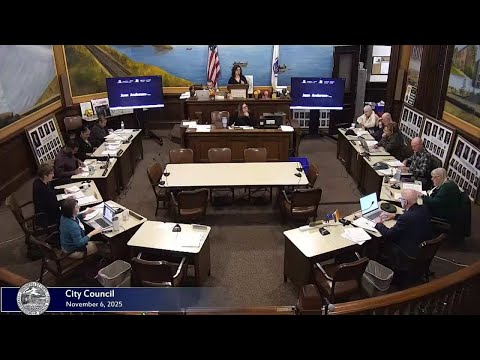
Holyoke council adopts multiple rule changes on committee structure, agenda order, and late-file policy
Summary
The City Council adopted a package of Charter & Rules committee recommendations: renaming and narrowing the Public Service committee, moving proclamations and petitions earlier on the agenda, allowing members to pose questions to the law department under a new rule, and tightening rules on late-file orders.
The Holyoke City Council approved several changes to its internal rules Thursday after a Charter & Rules committee review.
Key changes adopted include renaming the “Public Service and Human Resources” committee back to “Public Service” and narrowing its jurisdiction to matters related to appointment or confirmation of city officials. The council also moved petitions, proclamations and memorials earlier in the regular meeting agenda so invited guests and petitioners appear near the start of the meeting.
A new rule (6(h)) was adopted that allows any council member, upon recognition by the president, to pose a question to the law department to be answered during the meeting. That measure passed after committee debate and a roll-call showing a divided but favorable vote.
The council also tightened the late-file policy. Under the new rule, late-file orders may not be added to the agenda unless they are a matter critical to the city and “no member objects.” The maker of a late-file must contact the city clerk, city council assistant, and the council president; if the item is not acted upon it becomes a new order on the next regular agenda.
Why it matters: The changes alter how the council conducts business (agenda flow and committee jurisdiction), reduce procedural friction for members seeking law-department guidance, and raise the procedural bar for last-minute agenda items. The late-file change is intended to increase transparency and ensure timely notice to members and the public.
Next steps: Administrative staff will update the written rules and the clerk’s office will implement the new late-file notification procedure. Councilors and staff discussed Open Meeting Law obligations in connection with committee scheduling and the use of joint meetings or committees of the whole.