Get Full Government Meeting Transcripts, Videos, & Alerts Forever!
Get email alerts on the Codification topic
No spam. Unsubscribe anytime.
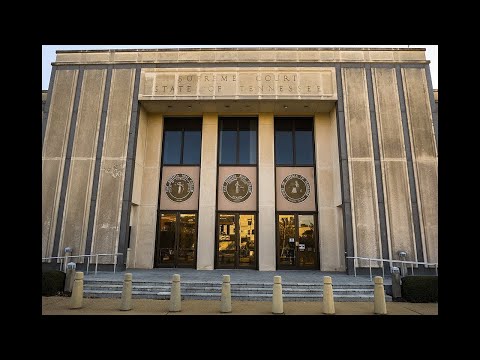
Counsel dispute legal force of uncodified provision in 2013 Public Water Act during Tennessee Supreme Court argument
Summary
During oral argument in James Wade Construction v. TDEC, counsel and justices debated whether an uncodified provision (referred to as section 19 of the 2013 Public Water Act) and codification choices by the Tennessee Code Commission can be used to interpret statutory deadlines and legislative intent.
A central collateral topic at oral argument in James Wade Construction Inc. v. Tennessee Department of Environment and Conservation concerned the legal weight of an uncodified provision in the 2013 Public Water Act and whether the Tennessee Code Commission's decision not to codify that language affects the statute's force. A justice asked counsel to explain reenactment and codification mechanics, referencing a provision the questioner cited as "1 2 1 14."
Kilgore acknowledged he was not prepared to address that particular codification statute on the spot but argued that considering codification to be dispositive would have severe constitutional consequences. He said treating codification as the sole determinant of what is law would allow the Code Commission to "operate as kind of a roving general assembly and governor," because the commission did not exist in earlier decades but laws still existed.
Jamesway's counsel, Autumn Gentry, told the court that the provision at issue (described in the record as section 19 of the 2013 Public Water Act) was part of the enacted public act but was not included by the Code Commission in the codified Tennessee Code because the legislature did not provide the directive language specifying what provision to amend. She argued that absence of codification therefore demonstrates the legislature did not intend that provision to become part of the codified statute in the way the State reads it, and she relied on article II, section 17 of the Tennessee Constitution (which requires that acts that repeal, revive, or amend former laws recite the title or substance of the law being altered).
The court also discussed related statutory cross-references (including cited provisions such as "69 3 1 0 2 d" and language stating that, where conflict exists, the UAPA governs), and whether a later nonretroactive amendment to the Water Act renders parts of the case moot. Counsel disputed mootness and whether the amendment clarified rather than retroactively changed prior law. The transcript records argument and questioning but does not include a ruling resolving how uncodified language should be treated.