Get Full Government Meeting Transcripts, Videos, & Alerts Forever!
Get email alerts on the Transit Funding topic
No spam. Unsubscribe anytime.
PRT to use capital funds to cover operating shortfall for two years; capital plan deferred
Summary
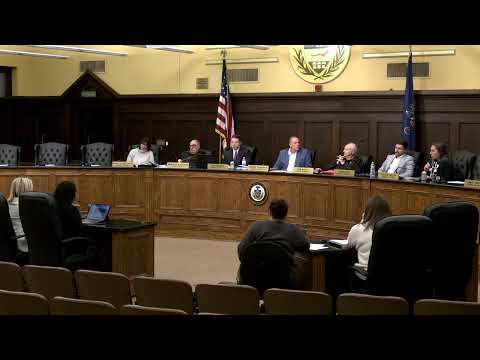
Pittsburgh Regional Transit will use planned capital funds to cover operating shortfalls for the next two years, CEO Catherine Kellerman told Allegheny County Council, while preserving safety and security projects.
Catherine Kellerman, chief executive officer of Pittsburgh Regional Transit, told Allegheny County Council that PRT will use capital funding to cover operating gaps for the next two fiscal years while the legislature considers longer‑term solutions.
“We are taking capital, and we’re using it for the next 2 years,” Kellerman said, describing a waiver strategy available under state funding rules to move planned capital dollars into operating to avoid immediate service cuts and fare increases. Kellerman said the move means an estimated 15 percent reduction in PRT’s five‑year capital plan; she added that PRT is not deferring safety or security projects and that most deferred work involves scheduling and timing of noncritical projects.
Kellerman summarized the operating picture: without additional funding, PRT’s current projection shows stability for about three years followed by gaps in years four and five. She said fares remain a significant portion of operating revenue and that benefit and pension costs are a major expense driver. Kellerman noted that earlier pension smoothing explained some year‑to‑year pension budget changes.
On capital and fleet, Kellerman said PRT will defer certain purchases — for example, not replacing a planned set of articulated buses this year — because ridership and travel patterns changed since the pandemic. She said the system now runs fewer vehicles in peak rush hours (pre‑pandemic rush peaks required more buses) but sees growth in off‑peak, late‑night and midday demand. PRT plans a bus line redesign and next‑year fare‑payment modernization that will support account‑based payments and tap‑to‑pay credit card acceptance.
Kellerman said PRT secured $106,000,000 in capital changes and still expects to spend about $57,000,000 on capital this year, including debt servicing. She asked council and local partners to advocate at the state level for sustainable transit funding; she said PRT will return to Harrisburg and to stakeholders as the state budget process advances.
Councilmembers asked about service redesign, fleet sizing and how to support PRT’s advocacy with state lawmakers. Kellerman said the agency will resume extensive public outreach on route redesign in early 2026 and will prioritize improvements that reflect riders’ needs.