Lemoore council approves purchase of refuse vehicles to limit immediate impact of state EV mandate
Loading...
Summary
Council voted unanimously to buy additional refuse trucks and a straight sweeper now and take possession by Dec. 31, 2026, using refuse-fund balances to avoid near-term rate increases. Staff said California’s 2027 electrification requirement for heavy vehicles would otherwise require costly electric refuse trucks and supporting infrastructure.
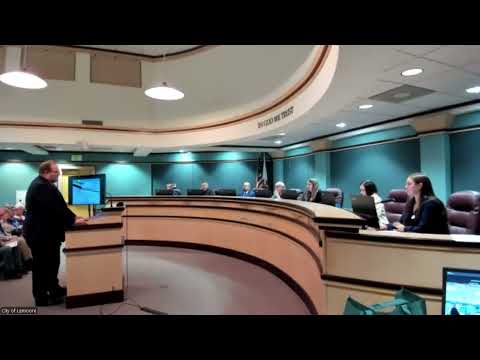
The Lemoore City Council on Nov. 4 approved purchasing additional refuse trucks and a straight sweeper to extend the life of the existing fleet and delay the need to purchase costly electric refuse vehicles required under a state mandate.
Council member Brewster moved the measure and it passed unanimously. Staff explained the rationale during a pulled-consent-item discussion: an electrification mandate that takes effect Jan. 1, 2027, will require heavy-duty electrified vehicles for municipal fleets. "When we start replacing refuse trucks, we have to purchase electric vehicle trucks, which are very expensive," the City Manager said, noting that electric refuse vehicles were quoted at about $1.2 million apiece while compressed-natural-gas or conventional trucks cost roughly $400,000.
City staff said the city does not plan to fund the purchases from the general fund or by raising rates now. "The funds are coming from the fund balance of the refuse fund," the City Manager said. "So it's not coming from the city's general fund. We're not raising rates to fund them. We have the funds available and the balance to buy them now, so there's no negative impact to anybody." Staff added that taking possession before the 2026 cutoff preserves the useful life of the existing fleet and defers the infrastructure costs and operational impacts of early electrification.
Why it matters: City staff said an electric refuse truck requires more infrastructure, can have a smaller payload, and could require two to three EV vehicles to match the work of one conventional truck — all factors that could raise long-term service costs. Purchasing now, staff said, is intended to limit future rate pressure and keep refuse service in-house.
Council action and vote: The motion to purchase the vehicles passed 5–0 (Council members Brewster, Lyons, Cruz, Gornick and Mayor Matthews voting yes). Staff indicated the city would take possession no later than Dec. 31, 2026, to qualify under the timeline staff outlined.
Staff said more detailed rate analyses and a public hearing on refuse rate sustainability will be scheduled; council members suggested the city is aiming to avoid a near-term rate increase but acknowledged the long-term electrification mandate may require changes later.