Get Full Government Meeting Transcripts, Videos, & Alerts Forever!
Get email alerts on the Ombudsman Report topic
No spam. Unsubscribe anytime.
PWCS ombudsman reports 368 confidential contacts in FY25; issues center on supervisor relations and parent-school interactions
Summary
The ombudsman presented an annual report showing 368 visitors in the 2024-25 school year, with employees constituting 66% of contacts and parents 27%. The office emphasized confidentiality, impartiality, and its role in identifying patterns such as supervisor-employee issues and concerns between educational partners.
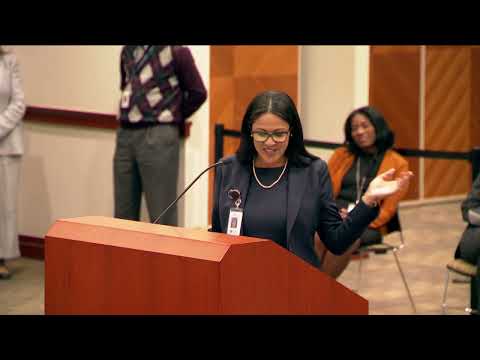
Monique Bookstein, the division ombuds, told the board that her office handled 368 inquiries in FY25 and that engagement with the office has grown 133% since the office opened in 2019.
"The defining principle of the office is confidentiality," Bookstein said, describing the ombuds office as an independent, neutral resource that helps visitors understand options, clarify issues and pursue informal resolutions. She told the board the office follows International Ombuds Association standards and does not conduct formal investigations.
Bookstein provided a breakdown of who contacted the office: 66% were employees, 27% parents or guardians, 5% community members and 2% students. Among employee contacts the most frequent topic category was evaluative relationships—issues involving supervisors and employees—while for parents and guardians the emergent category was "educational partners," which the ombuds office uses to describe problems or questions between teachers, principals and families.
The ombuds reported that 83% of survey respondents said they would refer others to the office and 89% said they would contact the office again if needed. Bookstein said common impacts of ombuds work include preventing time diverted from instructional mission, improving employee well-being and reducing the likelihood of formal grievances.
Looking ahead, Bookstein said she will focus on raising awareness of the office, continuing confidential consultation services, increasing feedback to leadership about systemic patterns, and pursuing professional development to strengthen the office's practice.