
Residents press Abington Heights board to adopt full‑day kindergarten; district says it is studying options
Get AI-powered insights, summaries, and transcripts
Subscribe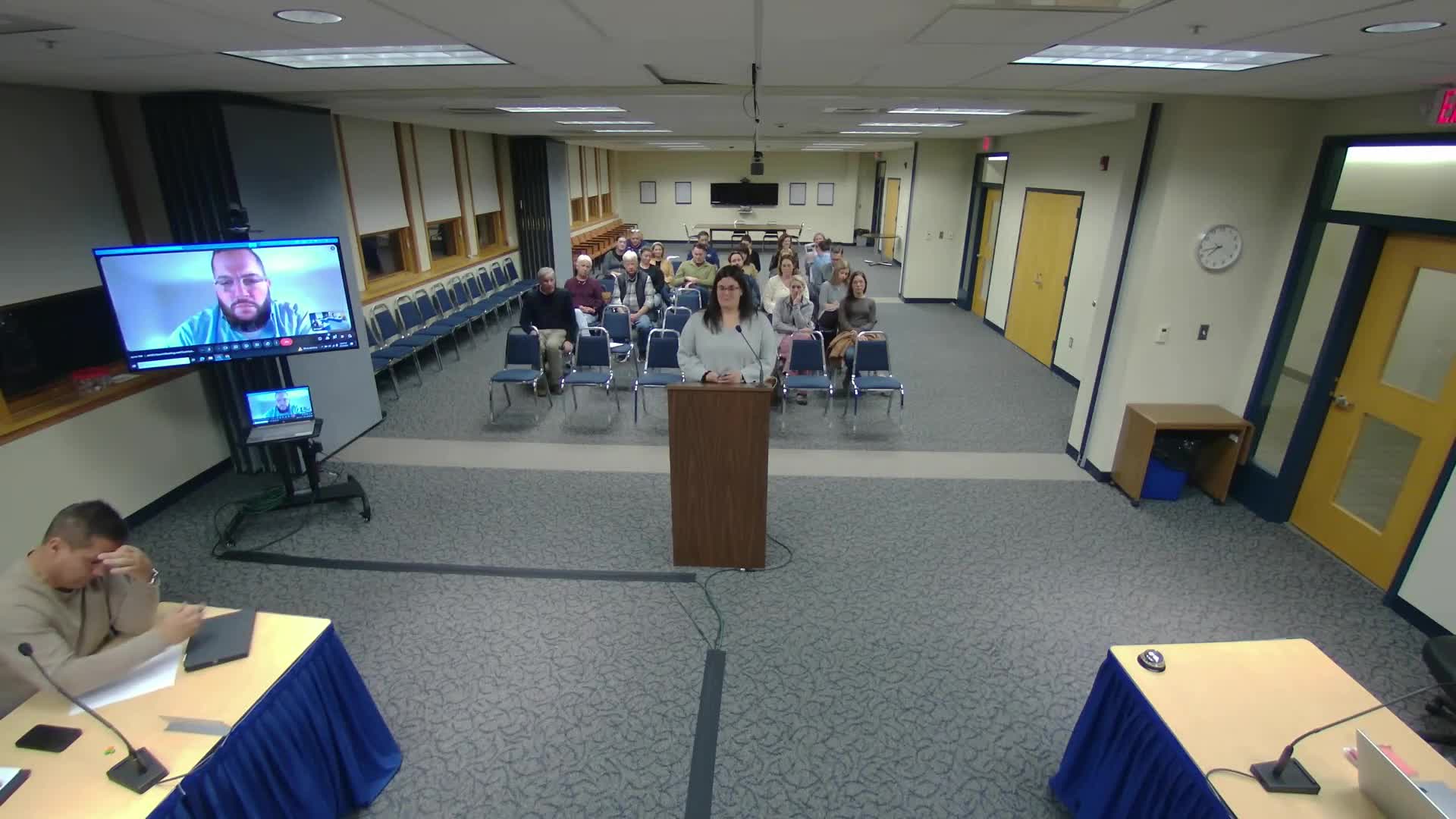
Summary
Parents and residents urged the Abington Heights School Board on Nov. 5 to set a formal planning process and timeline to implement full‑day kindergarten, arguing the change would advance equity and help working families.
Parents and residents urged the Abington Heights School Board on Nov. 5 to set a formal planning process and timeline to implement full‑day kindergarten, arguing the change would advance equity and help working families.
During the public comment period, several speakers described research and local conditions they said favor full‑day kindergarten. "Currently, Abington Heights is the only school district in Lackawanna County without a full day kindergarten program," said Ryan Griffiths, a South Avenue Township resident and parent. He told the board that neighboring districts provide substantially more instructional hours and urged officials to begin planning now so a transition could be in place by the 2027–28 school year.
Parents and community members repeatedly framed the change as an equity and logistics issue. "Just simply being in the building for a longer period of time at a very young age for young learners will be helpful to them," said Julia, a Clarks Summit resident and parent. Lauren Runco Bevilacqua, a parent and community member, said a petition she brought included 294 signatures and asked the board to add the topic to a formal agenda, hold a public work session on instructional, financial and facilities options, and adopt milestones aimed at fall 2027 implementation.
Superintendent Dr. Schaeffer told the board he is collecting data the district will need to present feasible options. He said administrators will analyze enrollment trends, building capacity, operating costs (utilities, sewage, maintenance), projected five‑year capital expenditures, transportation and food‑service implications, and possible facility changes such as sale, lease or redistricting. "I'm being very transparent that I'm gathering all of this information so that I can have this synthesized and put it out there," Dr. Schaeffer said. He cautioned some options may be constrained by state law and district finances and called certain trade‑offs "sacred" because of competing long‑term facility needs.
Board members said they have discussed full‑day kindergarten repeatedly and that the district's recently completed facility study includes capacity information for each elementary building. Several members emphasized the district is simultaneously addressing pressing facility needs — including a phased middle‑school project and other Capital Expenditure items — that limit near‑term capacity for new programs. "I don't see us doing this in the next few years," said one board member, noting ongoing construction and budget pressure. Other board members and speakers said they support exploring the option and involving the community in planning.
The board did not adopt a timeline or set a work session at the Nov. 5 meeting but asked administration to continue gathering and sharing information. Residents requested clearer public notice of the findings so families can plan. The board also noted that if a capital project or referendum were required, the district would need to present detailed costs and locations to voters before seeking additional tax authority.