
Norman reports steady festival attendance, stronger hotel stays and rising guest‑tax revenue after football weekends
Get AI-powered insights, summaries, and transcripts
Sign Up Free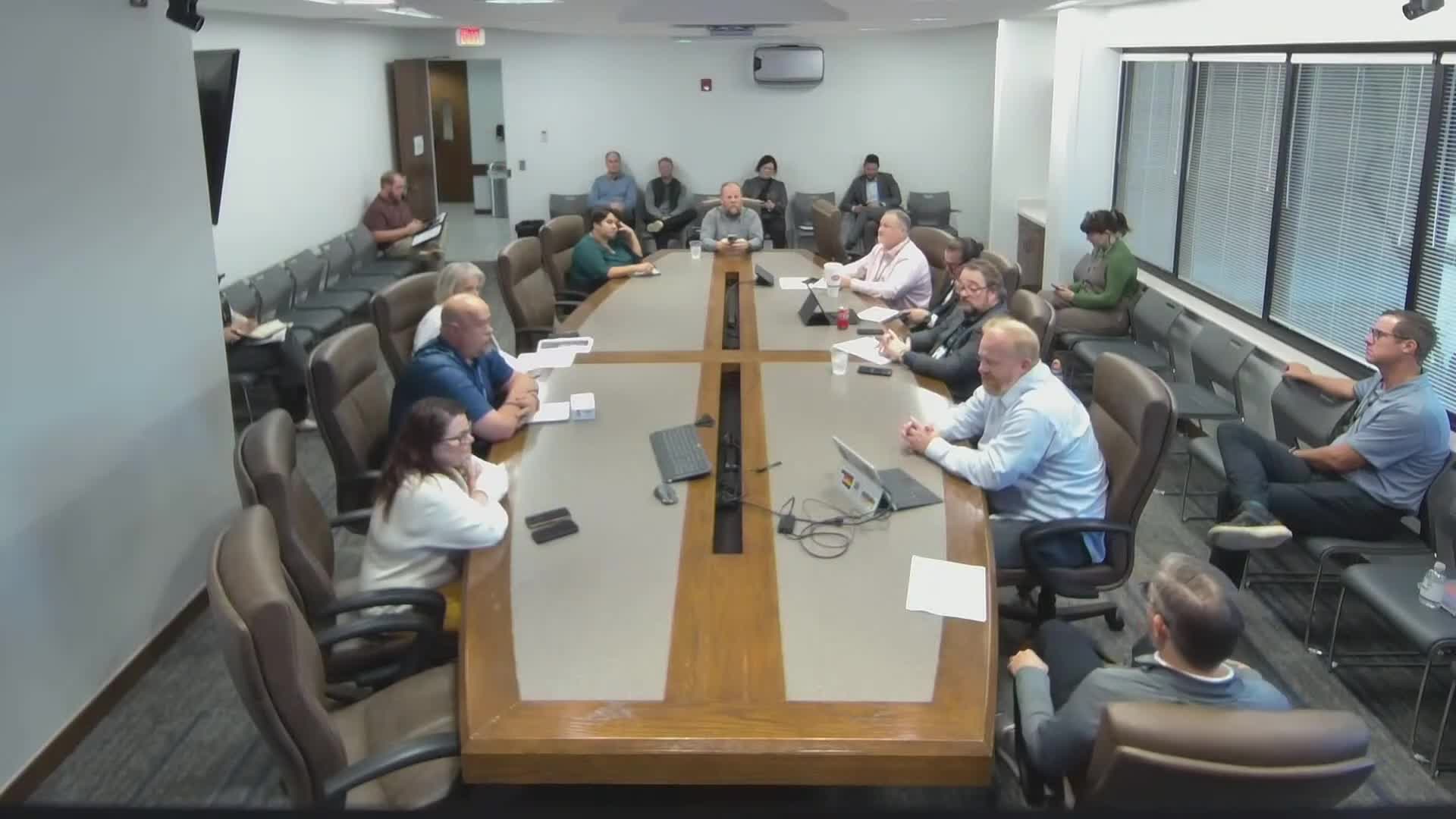
Summary
City staff told the Business & Community Affairs Committee that festivals and football weekends continue to draw large crowds to Norman, hotel occupancy and guest‑tax revenue are up year over year, and Visit Norman is using new analytics to refine marketing and event support.
Visit Norman staff presented a year‑to‑date visitor and special‑events report Nov. 6, saying festivals and University of Oklahoma football weekends remain major drivers of visitation and spending in Norman. The report showed year‑over‑year gains in hotel stays and a strong start to fiscal year 2026 guest‑tax collections.
The presentation combined foot‑traffic counts, festival attendance tallies and hotel performance metrics to give the committee a single snapshot of tourism. "Believe it or not, it's been about a year since we've done one of these," the staff member said, and walked the committee through monthly unique‑visitor trends and event totals.
Staff highlighted several headline figures. The Media (May) Fair drew about 48,000 total attendees across the weekend; Norm Music Festival recorded roughly 53,000 visits; Pride drew about 4,000; May Fair at Campus Corner about 12,000; Juneteenth at Rees Park about 5,200; the July 4 celebration about 17,000 inside the park; and a recent downtown event at YFAC counted about 2,800. Shopping‑center and district foot‑traffic showed a persistent top performer in the UMP/University‑area center, with Campus Corner activity fluctuating around the university calendar.
Visit Norman staff explained the new toolset behind the numbers: a Digidex proposal platform and Zardeco analytics that combine cell‑phone geolocation, credit‑card spend and hotel key data. The analytics showed hotel occupancy up about 6% year‑to‑date, flat average daily rate overall but notable spikes on some game weekends, and that guest‑tax collections finished FY25 about 15% higher than the prior year. "For the first three months of FY26, we are almost up 25% from last year," the staff member said.
The committee devoted substantial time to how football game weekends affect the local economy. Staff summarized individual home games (Aug. 30 kickoff through several October games), noting occupancy frequently reached the mid‑90s for marquee opponents, booking windows extended weeks ahead of some games, and visitor markets skewed toward Texas and neighboring states. Staff cautioned that some categories, such as stadium ticket receipts, are not captured in the spend analytics; concessions and on‑site food and beverage are counted in the food‑and‑beverage category.
Committee members asked about tracking medical‑travel visitation, short‑term rental trends and downtown‑to‑Campus Corner shuttles. Staff said combining Zardeco and other geofencing tools could identify guests arriving for health care and that the department is investigating the drop in short‑term rental occupancy that began in September. Staff also described a shuttle pilot using two street‑legal six‑passenger golf carts for game weekends; Mayor Holman drove one during a weekend and staff reported positive visitor feedback.
Looking ahead, staff said they will supply the committee with the presentation slides and further breakdowns on short‑term rentals and overflow hotels. Council members flagged the importance of continuing to track hotel overflow into Oklahoma City, the potential for longer‑term marketing adjustments keyed to booking windows, and the role guest‑tax revenue plays in funding arts, parks and marketing.
The committee did not take formal action on the report; staff were asked to provide follow‑up data (email the presentation to committee members, analyze short‑term rental declines and coordinate with partner agencies on health‑care visitor geofencing).