Get Full Government Meeting Transcripts, Videos, & Alerts Forever!
Get email alerts on the Child Protection Termination topic
No spam. Unsubscribe anytime.
Appeals court reviews termination of father's parental rights; counsel debate best‑interest findings and legal effects
Summary
The Appeals Court considered Nov. 7 whether a trial judge’s findings adequately supported termination of a father’s parental rights, with the child’s counsel arguing the record lacks specific benefits to the child and DCF contending the father’s prolonged absence justified removal of legal impediments to permanency.
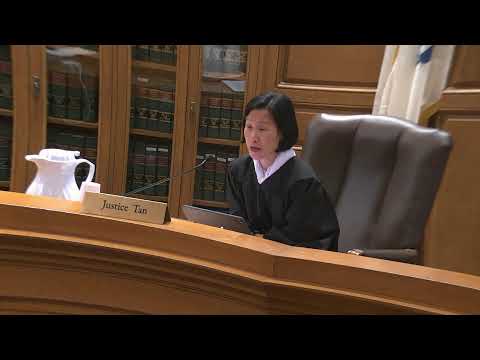
On Nov. 7 the Appeals Court heard argument in Department of Children & Families v. Child (2025P0202), a contest over whether a trial judge’s findings supported termination of a father’s parental rights and whether those findings adequately addressed the child’s best interest.
Appellate counsel for the child argued the trial judge did not identify concrete benefits to the child from termination, and in some places the judge misstated legal consequences — for example suggesting incorrectly that certain legal rights remain until adoption — and failed to document how termination would materially benefit this adolescent. Counsel for the child urged remand limited to the best‑interest inquiry.
Julie Gallup, for DCF, said the record showed prolonged absence by the father, service by publication and a lack of participation that left DCF with custody and responsibility for permanency planning. Gallup said the judge reasonably concluded that removing the father’s legal impediment to permanency (e.g., notice/consent rights in adoption or other dispositions) can be important to securing a stable long‑term plan, and that the trial judge’s findings supported the decision.
The panel probed whether best‑interest findings require explicit linkage to specific practical benefits (guardianship, adoption, removal of legal impediment to placement, child support) and whether the judge’s legal errors about certain consequences of termination (for example, scope of loss of specific benefits) undermined the best‑interest determination. Counsel for the child emphasized the adolescent’s expressed wish and the absence of any record evidence that termination would produce a measurable benefit. The Commonwealth noted that termination is an extreme remedy and asked the court to view the record as a whole.
The court reserved decision. The panel’s opinion will address whether the judge’s findings were sufficiently specific and supported by the evidence to show that terminating parental rights advanced the child’s welfare.