Get Full Government Meeting Transcripts, Videos, & Alerts Forever!
Get email alerts on the Wetlands Land Use topic
No spam. Unsubscribe anytime.
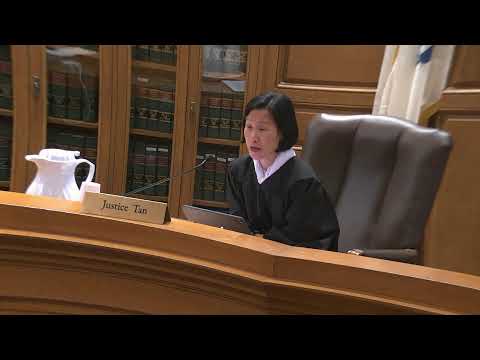
Appeals court hears Harwich wetlands and after‑the‑fact permit dispute in King v. Harwich Conservation Commission
Summary
The Appeals Court considered Nov. 7 appeals by homeowners who built modest additions near a wetlands buffer in Harwich and who challenge an enforcement order, denial of a variance and the commission’s handling of an after‑the‑fact permit process.
Paul Revere, representing Jeffrey King and co‑appellant James Kelly, told the Appeals Court that the properties at issue are previously developed lots with lawn and minor additions (a roughly 10-by-12 addition and a deck) that intrude slightly into a 50‑foot no‑disturb buffer. Revere argued the Harwich Conservation Commission’s enforcement order and its demand for removal of the structures were inconsistent with precedent allowing an after‑the‑fact permit and, he said, the commission had treated the no‑disturb rule in a manner tantamount to zoning without following the town‑meeting and procedural requirements required for zoning changes.
Amy Questle, representing the Harwich Conservation Commission, said the commission issued an order because the structures were built without permits and fall within the town’s bylaw 50‑foot no‑disturb buffer, which the town enacted by bylaw and has previously been upheld. Questle disputed the claim that a waiver to delay the 21‑day hearing was required to accept the application and said the commission properly opened and continued the hearing consistent with regulations. She also said the commission had authority under the Wetlands Protection Act to issue enforcement orders and that the record supports a conclusion that the porch addition and connector are approximately nine feet from the delineated wetland line and therefore inside the buffer.
The panel asked about two discrete procedural claims: (1) whether the conservation commission itself — rather than the select board or town counsel — may appear with counterclaims or whether the commission’s actions must be brought in the town name; and (2) whether the applicant’s after‑the‑fact consent to a short continuance or waiver of statutory timing was voluntary or compelled by staff practice. Counsel debated Bridgewater/Dubey line‑of‑cases addressing enforcement remedies and the difference between relief under the Wetlands Protection Act and local bylaws.
The court reserved decision. The appeals court’s ruling will likely turn on how the records establish the wetland line, whether the local no‑disturb regulation was properly adopted and applied, and whether the commission followed required hearing and enforcement procedures.