Get Full Government Meeting Transcripts, Videos, & Alerts Forever!
Get email alerts on the Booster Governance topic
No spam. Unsubscribe anytime.
School committee weighs draft booster-club policy as members seek accountability without hampering fundraising
Summary
After reports of questionable booster practices, the committee discussed a draft policy that would treat booster clubs as separate legal entities, require bylaws and affiliation agreements and set reporting thresholds; members proposed public outreach to booster organizations before a final vote.
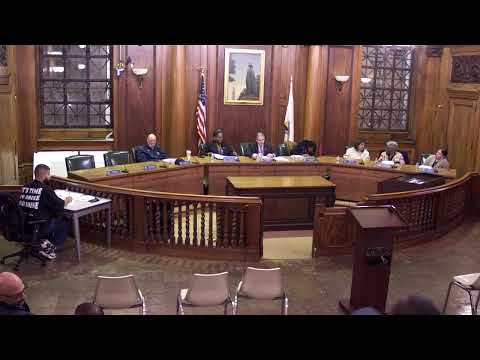
The Springfield School Committee discussed a draft policy and guidance on Nov. 6 intended to clarify the relationship between the district and booster organizations and to increase accountability for fundraising and financial practices.
Attorney Ian Keefe said the draft distinguishes booster organizations as separate legal entities from Springfield Public Schools while requiring more documentation and accountability for those that accept significant funds. Key elements in the guidance include requiring bylaws, registration, adherence to state and federal public-charity rules for organizations accepting more than $5,000, and an affiliation agreement that acknowledges the booster—s separate legal status.
Committee members said the goal is oversight and clarity rather than restricting community fundraising. Vice Chair Monroe Naylor told the committee the draft and guidance had been discussed in legislative, contracts and budget subcommittees over the past year and urged outreach with booster groups and athletics staff before a final vote.
"The initial policy is very dry," Naylor said, adding that the new draft offers operational guidance and would allow the district to ask questions when parents raise concerns about expenditures.
Attorney Keefe and staff said they want to invite booster organizations and schools to town-hall style discussions so the district can adjust the guidance if any requirement would unintentionally impede well-intentioned groups.
No final vote was taken; the item remained an informational discussion with plans for further engagement and refinement.