
Springfield officials outline special-education services as 27% of students identified as "exceptional learners"
Get AI-powered insights, summaries, and transcripts
Sign Up Free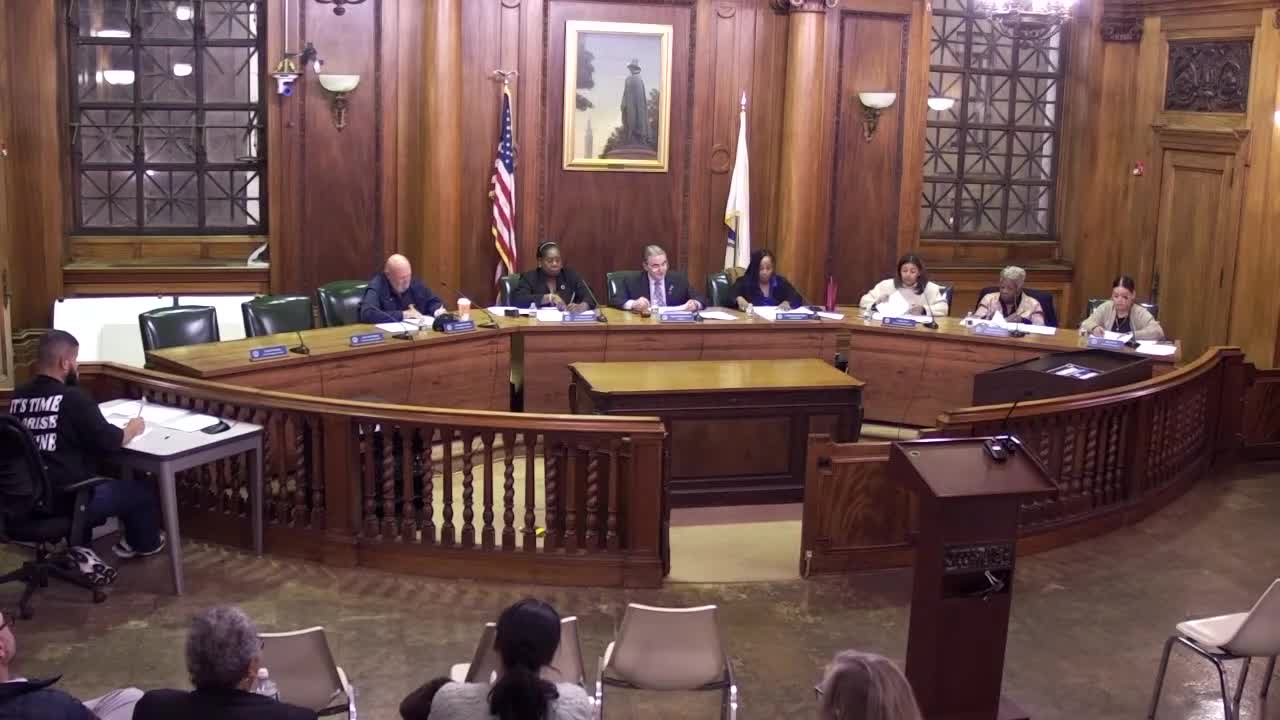
Summary
District chiefs presented data showing 27% of Springfield students are identified as exceptional learners, described program types and related services, and highlighted professional development, parent outreach and workforce strengths; committee members asked for clearer materials on challenges and family resources.
Springfield Public Schools leaders briefed the school committee on Nov. 6 about services for students identified as exceptional learners and the work the district is doing to support them.
Dr. Mimi O'Neill, chief speakers and staff said that 27 percent of the district—s students are identified as exceptional learners — higher than the Massachusetts state average cited in the presentation — and that autism spectrum disorder, communication disabilities and developmental delay were among the largest categories.
The presentation described a continuum of services: student support within general education classrooms, partial inclusion, substantially separate programs, life-skills and social-emotional behavior programs, and related services including physical and occupational therapy, speech and language services, vision and mobility supports, and services for students who are deaf or hard of hearing. The district also reported a growing number of students diagnosed with autism and emphasized the need for differentiated placements.
Mary Ellen Pope and other specialists described transition services for students ages 18 to 22, noting students currently placed for work experience at community sites including Big Y, Salvation Army, Goodwill, Springfield College and Sodexo. The district said transition supports aim to build independence, employability skills and community participation.
The team detailed professional development efforts: a LYNX summer boot-camp for early-career educators, a conference-style PD week attended by roughly 1,500 staff and paraprofessionals, internal trainers and rollouts of digital assessment and assistive-technology inventories used to evaluate and support students.
Deborah Pacheco, the department—s compliance officer, said the district had relaunched a special-education parent advisory council (CPAC) and now meets twice monthly; she said the team was offering interpreters, translated materials and a new "family support" link that lets parents submit requests or questions directly to the special-education office.
Committee members asked for more public-facing materials about the district—s challenges and the limits of local authority. Vice Chair Monroe Naylor asked the team to collect and share specific information on staffing and certification challenges; members discussed posting the family-support link prominently on committee members' and district web pages.
Dr. Marissa McCarthy said a Boston University analysis had identified Springfield as having a comparatively strong special-education workforce, including a higher proportion of special-education teachers of color and lower turnover than comparable districts; the team said it is working with researchers to publish findings through the district—s research committee.
Speakers said they would provide additional materials to the committee on workforce challenges and on outreach steps to expand CPAC participation.