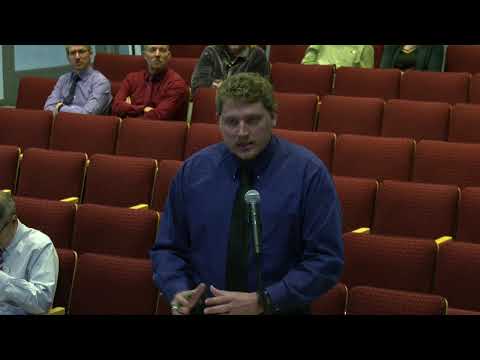
Volunteer group LASER details large‑animal evacuation shelters and operations in Prescott Valley
Loading...
Summary
LASER, a volunteer nonprofit, told the town council it operates a 190‑stall shelter near WheelHouse Sports and a backup site in Chino Valley, can be ready in about an hour when activated by county emergency management and relies on about 65 trained volunteers and community donations.
LASER (Large Animal Shelter Emergency Readiness) representatives told the Prescott Valley Town Council on Nov. 6 that the volunteer nonprofit operates a primary shelter off Highway 89A by WheelHouse Sports with 190 covered stalls and a stocked on‑site shed, plus a backup site at Chino Valley Equestrian Park.
The group said it formed after the 2017 Goodwin Fire, which forced about 7,000 people from their homes and left more than 200 barn animals needing shelter. Since LASER began in 2019, staff said the group has been activated 12 times, placed on standby 12 additional times and now lists about 65 trained volunteers.
“Kathy” (LASER presenter) described the activation process: the county emergency operations center alerts LASER when an incident threatens life or property, volunteers are notified, and a quick‑response team prepares water, hoses and stalls. “We can be ready in one hour,” the presenter said. She added the shelter operates 24 hours a day during an activation and owners have 24 hours to retrieve animals after an evacuation order is lifted.
The presenter said LASER serves private households and does not shelter large commercial herds or exotics; smaller backyard 4‑H steers might be accommodated. Animals can be transported by owners, by partner groups such as Emergency Equine Evacuation, or by friends and neighbors. Services are provided to the public at no charge, funded by donations and grants; the presenter cited support from the Arizona Community Foundation and said LASER has an MOU with Horses with Heart in Chino Valley and a cooperative relationship with the Yavapai County emergency management office.
LASER described volunteer roles and intake procedures: greeters initiate paperwork, intake teams complete documentation and accompany vehicles to assigned stalls, feeding and cleaning crews work multiple times a day, and a shelter manager oversees operations and communicates with the EOC. The shelter requires volunteers to pass a county background check and annual recertification; the intake process includes a hold‑harmless agreement and a medical authorization form. If an animal needs veterinary care while sheltered, staff said they first attempt to contact the owner, then the owner’s veterinarian, and, if unsuccessful, contact Prescott Animal Hospital, which the presenter said is on call.
In council questions, a member asked what would happen if an owner were unable to retrieve animals within the required timeframe because of illness or injury. The presenter said LASER attempts to contact a listed backup contact (spouse, neighbor or friend) and can arrange temporary housing, including with the Yavapai Humane Society’s equine division, until longer‑term arrangements are made. The presenter noted LASER also conducts community outreach on preparedness topics such as creating animal go kits and teaching animals to load into trailers.
LASER emphasized volunteer support and community donations as essential to operations and said it has shared its model with other Arizona counties. The presenter noted the organization received a governor’s award for disaster response.