Get Full Government Meeting Transcripts, Videos, & Alerts Forever!
Get email alerts on the Contracting And Operations topic
No spam. Unsubscribe anytime.
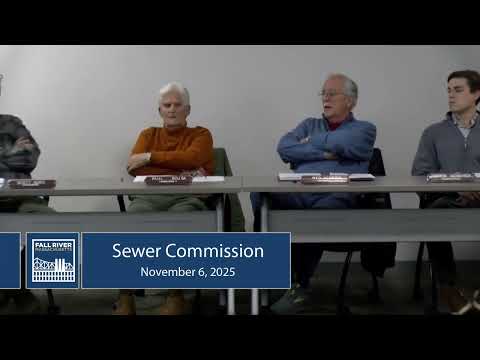
Sewage hauling, two construction change orders approved by Corridor Sewell Commission
Summary
At its Nov. 6 meeting the Corridor Sewell Commission approved routine minutes and several contract and procurement items, including temporary septic hauling approval and two construction change orders totaling $434,008 (combined not-to-exceed amounts).
At its Nov. 6 meeting the Corridor Sewell Commission approved routine minutes and several contract and procurement items, including permission for a septic hauler to deliver loads to the plant and two construction change orders connected to ongoing interceptor and plant upgrade work.
Key votes at a glance: - Approval of minutes from the previous meeting (Aug. 7): Motion made, seconded and approved by voice vote (all in favor). - Item 3 — South Coast Septic Service: Motion approved to allow South Coast Septic Service to haul septage to the Fall River treatment plant. Commissioners emphasized proper truck approvals and on-site housekeeping to avoid street tracking and neighborhood complaints. - Item 4 — RJ Construction, Change Order #5 (North End Interceptor): Commission approved change order #5, not to exceed $68,114.51. Staff explained the change order covered additional excavation and the off‑site handling/testing of materials when an environmental reviewer required relocation of staged materials. - Item 5 — Contract 2, Change Order #8 (project closeout): Commission approved change order #8 in the amount of $365,893.44. Staff said the amount covers a series of remaining punch-list and contract-closeout items across the project; staff presented photos of new plant facilities (laboratory, locker rooms, solids-handling building, dewatering equipment) and summarized project history and remaining conveyance/interceptor phases.
Numbers and project context: Staff said the broader upgrade program is in the tens of millions of dollars (a figure cited by staff during discussion was roughly $48 million for the larger program) and that cumulative change orders place total adjustments at roughly an 8% increase from the original contract value; staff also noted there remain outstanding contract areas (labeled 2B and 1B in project materials) to complete in later contracts.
Votes and movers: The meeting record contains voice votes for most motions; specific movers and seconders were not consistently identified in the public transcript. For change order #8 the vote passed with commissioners answering "Aye" on roll call and Commissioner Scott explicitly recorded an affirmative "Aye." No recorded 'no' votes were announced in the transcript.
What was not changed: The commission did not approve any rate changes, debt authorizations or binding intermunicipal agreements at this meeting.
Quotations from the meeting: On the scope and value of the plant work, one commissioner summarized: "You know, we've got a beautiful plant. It's doing the job we wanted to do. And we vote for the future." Staff cautioned that final disposition of some items will remain subject to environmental testing and external agency requirements.
Documents/provenance: Change order texts, contractor names and amounts were presented on the record; staff indicated materials removed during the interceptor excavation tested clean and were reused off‑site rather than sent to landfill.