Get Full Government Meeting Transcripts, Videos, & Alerts Forever!
Get email alerts on the Health Services topic
No spam. Unsubscribe anytime.
Laredo ISD reports 7,399 flu vaccinations and expands staff emergency-response trainings
Summary
Laredo ISD health services staff told the Student Services Committee on Nov. 3 that district-run flu clinics completed 7,399 student vaccinations this year, equal to 38 percent of the district population, and that the department certified 173 staff members in CPR, AED, first aid, stop-the-bleed and Narcan during recent training cycles.
Laredo ISD health services staff told the Student Services Committee on Nov. 3 that district-run flu clinics completed 7,399 student vaccinations this year, equal to 38 percent of the district population, and that the department certified 173 staff members in CPR, AED, first aid, stop-the-bleed and Narcan during recent training cycles.
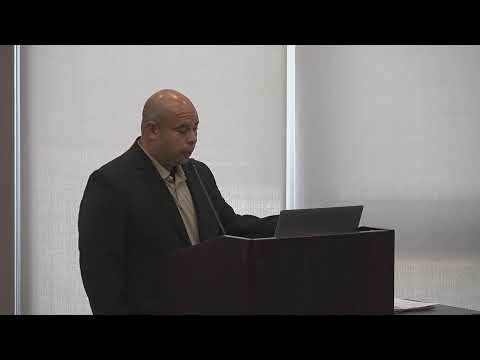
“We completed 500 vaccines in 2 hours in order for those students to be able to participate in their activities that were set up for that day,” Alejandra Pena, health services presenter, said about a high school clinic that coincided with a pep rally at Nixon High School.
The district completed clinics at every campus (elementary, middle and high), with some schools reporting notable increases in participation and others reporting small declines. Pena said 432 pre-K and kindergarten students were not vaccinated because parents did not attend the clinics, and 5,783 parents signed declination forms on paper. Staff noted additional parents decline the vaccine informally without returning paperwork.
On staff emergency-response training, Pena said the district offered classes on staff-development days and rotated staff across campuses so employees who work after hours (UIL sponsors, coaches, band directors, cheer sponsors and staff who supervise lunch) can be certified. That recent cycle produced 173 certified staff; Pena said training is limited by instructor availability (programs cap class size at about 10 participants per instructor, and budgeting has led the district to plan smaller classes of six per instructor).
A board member suggested using in-service days to broaden certification; Trustee Pearl urged the district to explore certifying more employees during scheduled training time so more staff are ready in the event of an emergency. Pena said the district does not pay instructors for time but covers participant certification cards (currently $9 per K–12 card) and will pay a one-time materials update fee in March when American Heart updates instructor manuals and workbooks.
Trustee Luneo asked whether COVID-19 vaccines would be offered to students; Pena said district clinics are not providing pediatric COVID doses at this time and that COVID vaccines being offered at pharmacies are primarily adult doses.
Staff emphasized Good Samaritan protections: training includes a review of Texas law that protects responders who act in good faith and without malicious intent. District leaders said they will continue to rotate staff and explore partnerships (local EMS, fire, Red Cross) to expand capacity for future training cycles.
Why it matters: Increasing staff certification and maintaining school clinics are part of the district’s effort to reduce response time in on-campus emergencies and increase vaccine access for students. The presentation highlighted operational limits—instructor ratios, scheduling on staff-development days and material costs—that inform how quickly the district can scale those programs.